
Children and teenagers can learn a great deal from running a small venture at home or at school. Preparing a dedicated corner, gathering simple supplies and planning realistic time sets them up for success. This article covers that preparation stage in general terms for parents and teachers. The ideas work for a lemonade stand, a craft table or a small classroom market.
The goal is to make the project feel exciting yet manageable. When the space is organized, the tools are ready and the calendar leaves room for homework, the young entrepreneur can focus on ideas rather than frustration. Adults play a supporting role here, offering guidance while letting the young owner make decisions. That balance builds independence and confidence.
Picking a Table and Shelf
Choose a table in a shared area where an adult can keep an eye on the work. A small shelf above it can hold samples, boxes and price cards. Readers may also want to visit Design Shanghai. Sketch the arrangement with the child before setting anything up.
Make sure the chair fits the child and that the light is good for reading labels. Keep the corner close to a power outlet if the project uses a device for taking orders or printing signs. Mark a box for cash or tokens if the activity involves a simple exchange. Tidy spaces help young owners feel proud of their work.
Let the child decide where each item goes, within reason. Ownership of the space encourages responsibility and attention to detail. Praise thoughtful choices, even when they differ from what an adult would have picked. The corner becomes a place where the young owner learns to plan and to adjust.
Simple Supplies for a First Venture
Paper, markers, a cash box, a notepad, scissors and a few containers are enough for many first projects. You can also visit deltadesignltd.co.uk for more reading. Resist the urge to buy elaborate kits. Basic supplies encourage creative thinking.
Store supplies in a basket that the child can carry easily. Use washable markers for price tags and keep spare paper in a sealed envelope to protect it from damp. Keep a small notebook for recording sales and questions from customers. A simple record helps the child see what worked and what did not.
Let the young owner choose colors and labels so the project feels personal. Involve them in planning the price list and comparing costs. Discuss what to do with leftover materials at the end of the project. Each small decision adds to the learning experience.
Blocking Time Around School Work
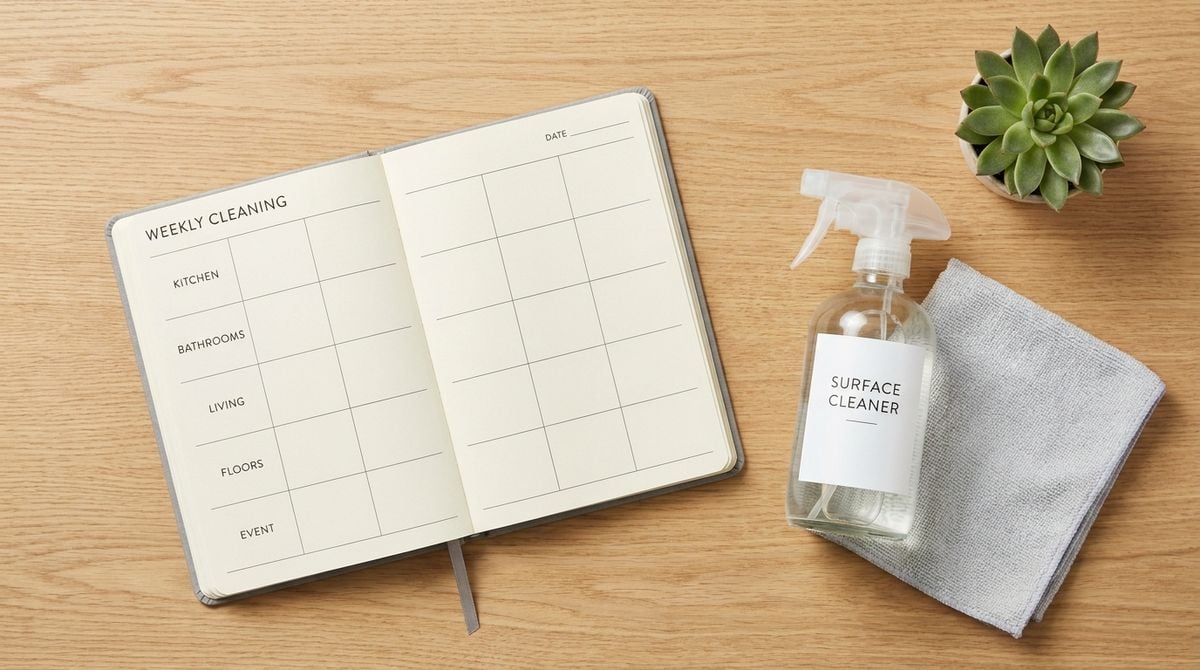
For a related read on this site, see Readying a Family Garden Plot Before Trips Away. Print the planner and place it where the child can see it every day. Mark school deadlines first, then fill the remaining slots with short business tasks. Realistic planning keeps schoolwork as the priority.
Set two short work periods on most days and a longer session on weekends. Keep a visible timer so the child knows when a session begins and ends. Use the planner to decide which tasks belong in each slot, such as making signs, counting stock or contacting customers. Clear boundaries reduce stress for everyone.
Celebrate small milestones, like finishing a stock count or completing the first sign, to keep motivation steady. Talk through what went well and what might be improved next time. Those conversations turn a simple project into a valuable lesson about planning and reflection.
A Calm Start for Young Owners
Before the first sale, sit down together and review the corner, the supplies and the schedule. Ask the child what they hope to learn and what would make the project feel successful. Encourage reflection after each session, and praise effort as well as results. Those questions help the young owner think about the process rather than only the money.
Keep expectations gentle during the early days. Mistakes in pricing, counting or signage are normal and offer chances to practice problem solving. Help the child correct errors calmly, so that the experience remains encouraging. Patience at this stage builds resilience that will serve them in many future projects.
A prepared corner and a realistic plan give young learners a safe place to try ideas, make mistakes and grow in confidence. The skills they practice, such as planning, record keeping and talking with customers, remain useful long after the project ends. Revisit the corner together whenever the young owner is ready to expand the work.

