
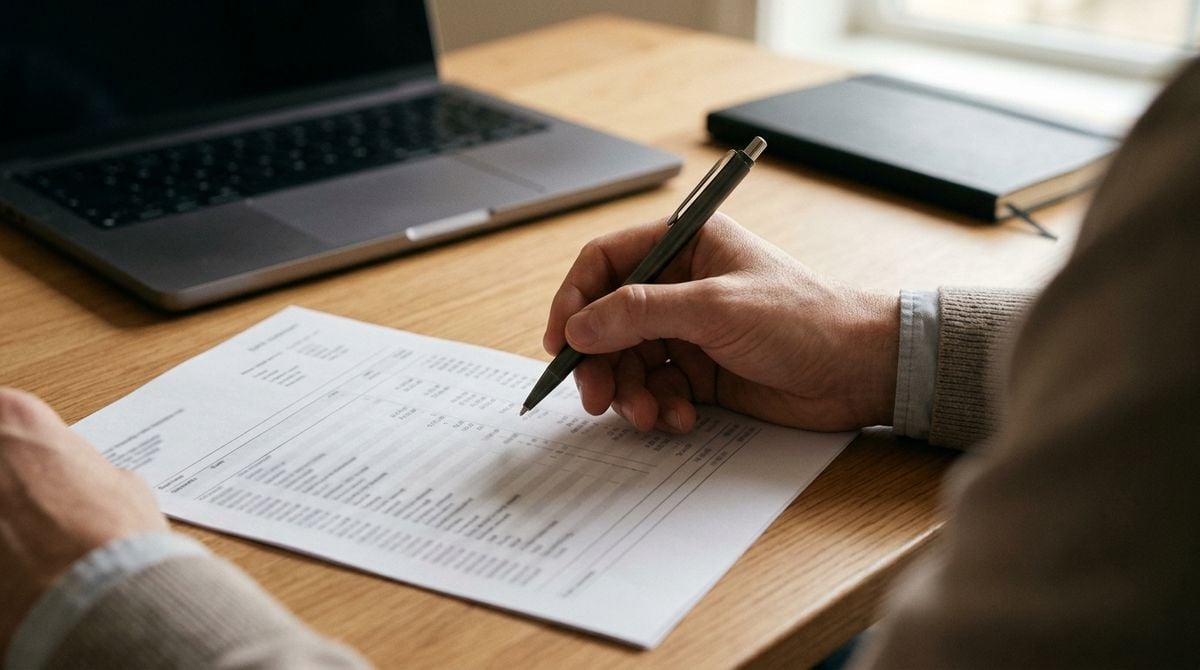
Parents, students and teachers handle a steady stream of school forms, permission slips and policy letters, many of them written in dense language. A quick read at the kitchen table may miss a deadline, an unfamiliar term or a line that asks for more than expected. An outside reader can notice what the first reader has stopped seeing after the tenth form of the term. This article explains when a second reader is worth asking for, how to prepare the paperwork, and where general understanding ends and a qualified professional should take over.
Noticing When a Form Needs More Eyes
Some documents deserve a second reader almost automatically. These include agreements about travel, release forms for activities that carry physical risk, and anything that mentions fees, refunds or long-term commitments. Pause as well when a notice uses terms you have never seen before or refers to a policy that is not included in the packet. Those references are often where the important details are hiding.
Start by writing down the deadline, the people who must sign and the part of the form you find confusing. Readers may also want to visit air-safecleaner.com. Having that background makes the review much quicker when you sit down with someone else.
Choosing Who Reads With You
A helpful second reader might be another parent who has been through the same school, a teacher who knows the daily routines, or a friend who reads contracts for a living. Each brings a different lens to the page. The aim is someone willing to ask simple questions, such as what happens if the form is returned late or who signs when both guardians are not available on the same day.
You can also visit DecoratorAdvice for more reading. That preparation keeps the conversation focused and reduces the chance that small points get overlooked. It also lets you describe your concerns clearly, which helps the reader understand what you actually need from the review.
Preparing the Paperwork for Review
Gather all the pages in one folder, including the cover letter, the attachments and any earlier versions that were sent home. Highlight the dates, amounts and signature lines, because those details are easy to miss on a busy evening. For a related read on this site, see Reviewing a Class Project on Digital Currency Ads.
Write your own questions in plain sentences before the meeting. A note that asks what a particular clause means for a Tuesday practice schedule is far more useful than a general comment that the form seems strange. Specific questions get specific answers, and they save everyone time.
Asking Questions Without Turning It Into a Debate
Keep the review practical and avoid turning it into an argument about the school. The reader’s job is to point out unclear wording, missing information and possible conflicts with other paperwork you already signed. Decisions about whether to sign, and what to ask for, remain with the guardians and, where appropriate, with the student themselves.
When the reader finds an issue, write it down exactly as it appears in the document and note the page number. Then contact the school office with a specific question, which usually gets a faster and clearer answer than a vague complaint. Staff members appreciate precise questions because they can respond to them without a long back and forth.
Keep your tone calm and your requests precise, even when a form feels frustrating after a long day. A courteous message that names the exact clause usually receives a quicker reply than an angry note sent late at night. Schools handle many questions each week, and a clear, respectful question stands out for the right reasons.
Recognizing When to Hand Over to a Professional
A second reader can explain what a form says, but cannot tell you how a particular law applies to your family or whether you have a claim. When a document involves money at stake, a dispute about custody or discipline, or a right that feels unclear, it is time to speak with a qualified professional in your area. General understanding is a good starting point, not a final answer on questions that carry real consequences.
Keep the copies and notes you have collected, because any professional will ask for them early in the conversation. Your preparation makes the next step faster and reduces the time and cost of getting clear advice. Good records make every later conversation easier for everyone involved.
Store the final version of every form beside its reply, so the next term starts with a complete file rather than a stack of loose pages. Families who do this often find that similar questions return each year, and earlier answers save considerable time.
A second reader rarely replaces the careful attention a parent, student or teacher brings to school paperwork. What that reader adds is a fresh look at the wording and the dates that everyone else has already read too many times. Ask for that look early, keep your questions specific, and remember that general understanding is only the first step. Good preparation makes every school season easier to manage.

