

The world’s largest economies have pledged to end public funding for international fossil fuel projects this year. It’s a step in the right direction, but loopholes remain
Some of the world’s largest economies have agreed to turn off the taps on the majority of public investment in overseas fossil fuel projects by the close of the year.
Climate ministers from G7 nations – the UK, Japan, US, Canada, France, Italy and Germany – set the deadline for ending taxpayer funding for overseas oil, gas and coal projects for the end of 2022, during a two-day conference in Berlin in May.
Analysts say the move could shift around £26bn a year from fossil fuels to clean energy, helping plug a yawning investment gap identified by the Intergovernmental Panel on Climate Change in a reportPublished March.

The panel found that investment in clean energy was three to six times lower than the level needed by 2030 to limit warming to below 2C, and called for “clear signalling” from governments and the international community to boost investment in renewable energy infrastructure.
The G7 climate & energy communique was widely seen as a step in right direction, following up on the commitments made at Cop26.
Ministers also agreed to substantially decarbonize electricity sectors by 2035 and phase out coal-fired power stations.
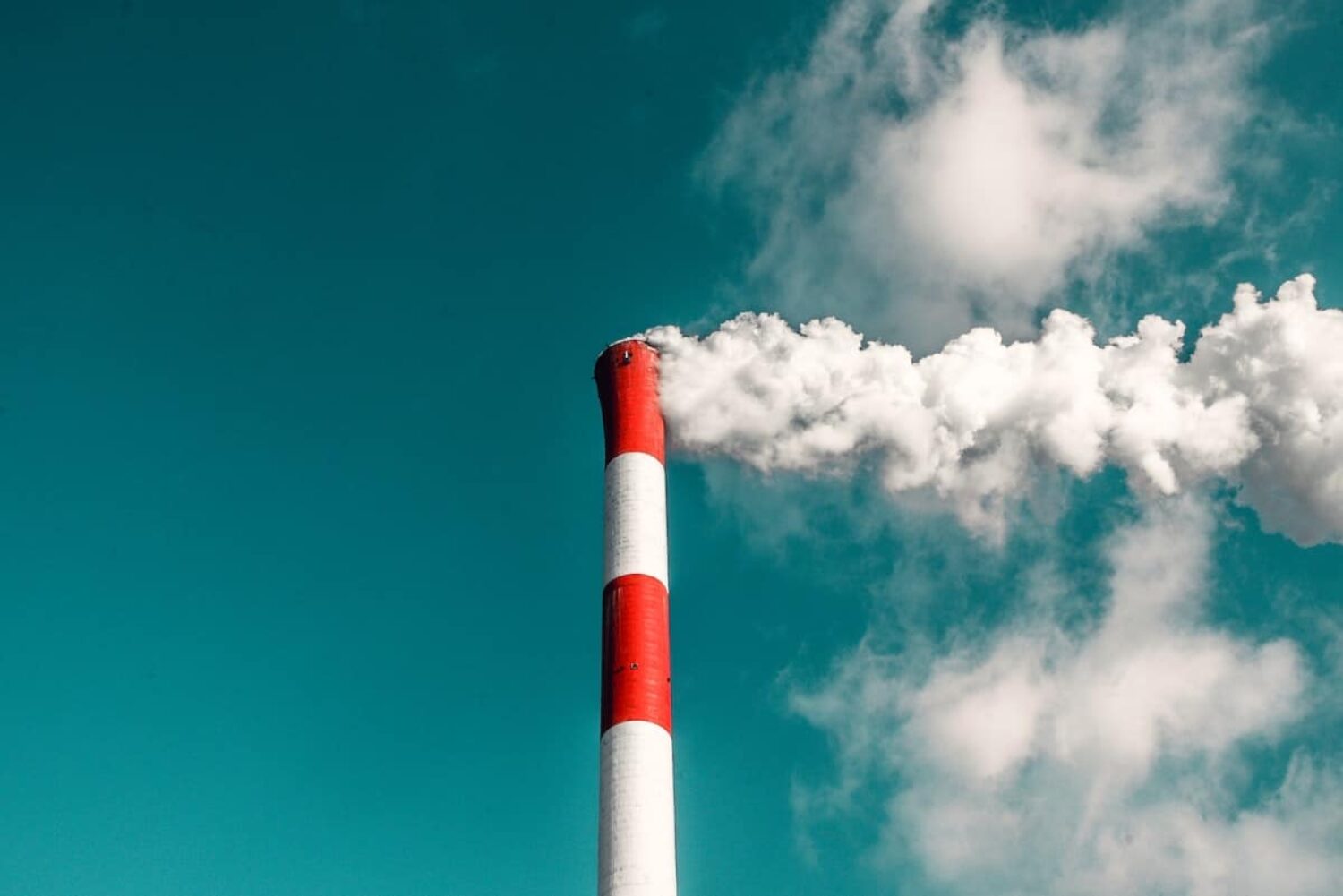
Importantly, Japan, a coal-dependent country, agreed to phase out the dirtiest fossil fuel. Image: Veeterzy
They also mentioned the need to provide financial support to vulnerable countries that are dealing with the impacts of the climate crisis.
The pledges are not only about tackling climate change, but also address national security concerns by increasing clean energy capacity and shifting away from dependence on Russian gas.
Japan’s commitment is seen as particularly significant as it had previously resisted such a pledge before last year’s Cop26, and relies heavily on coal-fired power stations.
Loopholes
But despite the progress, some commentators suggest the G7 announcement contains mixed messages – and troublesome loopholes.
The climate commitments came with a call for the Organisation of the Petrochemical Exporting Countries (OPEC) – a cartel of 13 states, which together account for almost half of global oil production – to help ease price pressures by pumping out more liquefied natural gas in response to “tightening international markets” resulting from the Ukraine invasion.
The 39-page communique also contains a “loophole” that, somewhat vaguely, exempts nations from ending investment in overseas fossil fuel projects “in limited circumstances clearly defined by each country consistent with a 1.5C warming limit”.
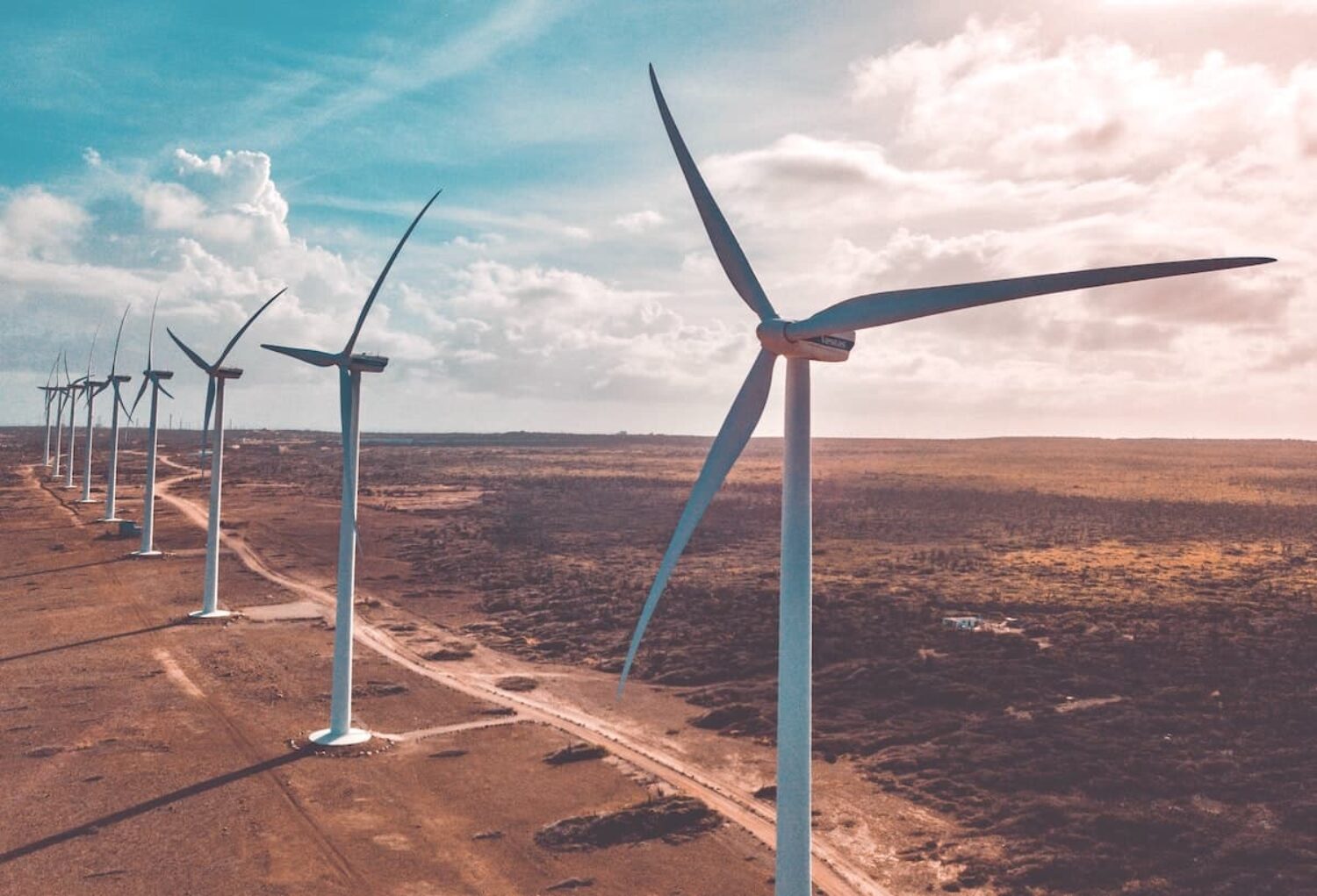
According to the IPCC investment in renewables has been lagging behind what it should be in order to limit global warming. Image: Rabih Shasha
Public funding may still be available for projects in the pipeline of new oil and natural gas. A Guardian investigation discovered 200 of these ‘carbon bomb’ projects, so-called because they threaten to derail the 1.5C target.
The University of Leeds’s carbon bomb research team was led by academics. Last month, they said that an international coalition of campaigners was forming to combat the threat.
Main image: Ehimetalor Ashire Unuabona
Help us continue breaking the bad news bias
Positive News is helping more people than ever to get a balanced view of the world – one that supports their wellbeing and empowers them to make a difference towards a better future. And as our audience and impact grows, we’re showing the rest of the media that good news matters.
But the UK’s cost of living crisis is hitting us hard, with fewer people able to commit to a magazine subscription – which has traditionally been our main source of funding. Plus, printing and paper costs continue to rise.
We don’t want to put a paywall on our website, because we believe everyone should have the chance to benefit from good news. But we won’t be able to continue funding our online reporting without your help.
If you value the work we do and have the means to make a regular contribution, consider becoming a Positive News supporter. We need 1,000 readers to contribute just £3 per month to get us through this challenging time.
Remember, we are a non-profit organization and all funds support our journalism.
SUPPORT POSITIVE NEWS TODAY

