
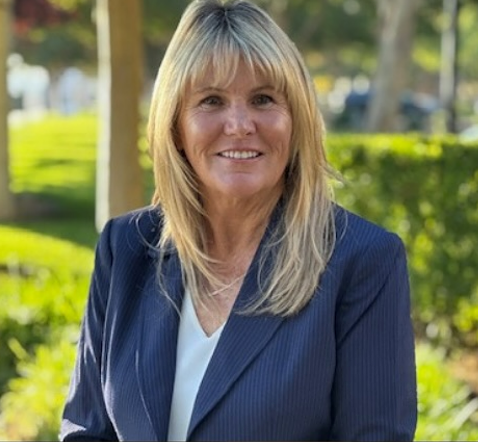
When a child struggles academically, society immediately provides tutors, study frameworks, and intervention plans. Yet, when that same child faces overwhelming anxiety or emotional pain, they are often met with disciplinary action or a wait-and-see approach. For Kerrie Hill, this disparity is not just a flaw in our education system; it is a fundamental failure in how we raise the next generation. After suffering the profound loss of her son, Logan, Hill realized that society equips children with the tools to succeed in everything except their own internal battles.
Logan had navigated unresolved childhood trauma and the heavy burden of untreated bipolar disorder. From the outside, he often appeared to be making progress, but the internal weight eventually proved too much. Losing him cost Hill a part of herself, but it also crystallized a mission. She recognized that parents and educators spend an enormous amount of time preparing children for external success, but almost no time teaching them how to regulate their emotions, build self-worth, or ask for help when the pressure becomes unbearable. This realization led to the founding of Logan’s Little Warriors, an organization dedicated to building emotional strength in children before life’s inevitable hardships strike.
The Problem with Reactive Solutions
The prevailing approach to youth behavioral issues is inherently reactive. According to Hill, most interventions only occur after a crisis has already manifested. When a teenager acts out or a child isolates themselves, the adult response typically defaults to punishment, behavioral correction, or a sudden focus on academic performance.
This reactionary model misses the underlying crisis. Children and adolescents are silently drowning in anxiety, identity struggles, and trauma, yet they lack the basic vocabulary to articulate what they are experiencing. They grow up believing their inherent value is tied to their social media presence, their appearance, or their ability to fit in. By the time the adults step in with rules and structure, the child is often already trying to recover from wounds that went entirely unnoticed.
Hill notes that we cannot continue to wait until a child is in total distress to start talking about coping mechanisms. She emphasizes that what children actually require is genuine connection and practical emotional tools, not simply a new set of rules to follow after they have already broken down.
The Warrior Way Framework
To bridge this gap, Hill developed a proactive framework known as the Warrior Way. Instead of treating emotional resilience as an abstract concept, her approach breaks it down into simple, manageable daily habits. Through movement, breathwork, gratitude practices, and visualization, children are taught that experiencing big emotions is perfectly normal, provided they have healthy mechanisms to navigate them.
The impact of this early intervention is often immediate and profound. Hill recalls a moment during one of her organization’s youth camps where children were given a basic emotional toolkit containing stress relievers and coping exercises. A six-year-old boy later went home and proudly told his family that his favorite part of the entire camp was finally learning what he was supposed to do when he felt angry. That simple realization—that anger is manageable and not something to be feared or suppressed—is exactly the kind of foundational shift that alters the trajectory of a child’s life.
Treating Resilience Like a Core Subject
The consequences of ignoring this emotional education extend far beyond the individual child. Emotionally wounded children inevitably mature into emotionally struggling adults, bringing unhealed trauma into their future workplaces, relationships, and eventually, their own parenting.
Hill argues that real transformation does not always look like a dramatic breakthrough. Often, it is as quiet as a teenager deciding to ask for help instead of suffering in isolation, or a family finally learning how to communicate without escalating into conflict. By shifting the focus from crisis management to emotional prevention, communities can effectively break the generational cycle of silent suffering.
As anxiety, depression, and loneliness rates continue to climb among youth, the need for a systemic overhaul has never been more urgent. Kerrie Hill insists that emotional wellness can no longer be viewed as an optional extracurricular activity. If society is willing to spend over a decade teaching a child how to solve a math equation, it must also be willing to teach them how to survive their own hardest days.

