
A tight travel budget can still stretch far when trips are planned outside the busiest weeks. Quieter weeks often mean calmer streets, shorter lines, and more flexible lodging choices. This article covers simple planning steps for travelers who must keep spending low. It is general information, and it leaves the final choice of place to each reader. The steps below require only a calendar, a map, and some patience.
Why Quieter Weeks Cost Less
Demand drives many travel choices, so the calmest weeks often bring gentler options. Attractions with long queues may offer shorter waits when visitors are fewer. Local guides and small shops often have more time to talk and help. A little flexibility goes a long way for a modest budget.
Readers may also want to visit creativediary.net. Compare two or three possible weeks before you commit to anything. A short list makes the decision quicker and keeps the plan focused on what matters most.
Look at the weather pattern for the region before choosing a time to visit. Mild seasons often bring pleasant walks and fewer crowds. Check local event calendars for large gatherings that could make everything busier and more expensive. Planning around these factors keeps the trip affordable from start to finish.
Choosing a Base Close to Public Transport
Stay close to a bus line, tram stop, or train station to cut taxi fares and long walks. A central location often costs less than a famous district, and it saves time each day. You can also visit wkbn for more reading.
Check the walking route between the stop and the lodging before booking. Read a few recent notes from other guests about noise and access. A small detail like a safe walk at night can matter more than a slightly lower total.
Planning Free Activities at Each Stop
Most towns have parks, markets, and public squares that cost nothing to enjoy. Pick two or three free activities for each stop, then leave space for rest. Museums with free days or evening hours can be a welcome change of pace. For a related read on this site, see Closing Costs: Plain Questions for a First Home.
Carry a light reusable bottle and a few snacks for long walks. Eating a simple lunch from a bakery or a market stall keeps the day affordable. Free views and quiet corners often become the most memorable parts of a trip.
Use public restrooms in libraries or cafes when you can, since they are free and often clean. Keep a small water bottle filled to avoid buying drinks all day. Carry a reusable bag for food from the market. Small habits add up to real savings over a trip.
Look for free walking tours run by local volunteers, but expect to tip if you enjoyed the guide. Read reviews carefully to avoid misleading offers. A good local guide can make an empty afternoon feel full. Ask at the tourist office for current listings.
Packing Light for Easy Transfers
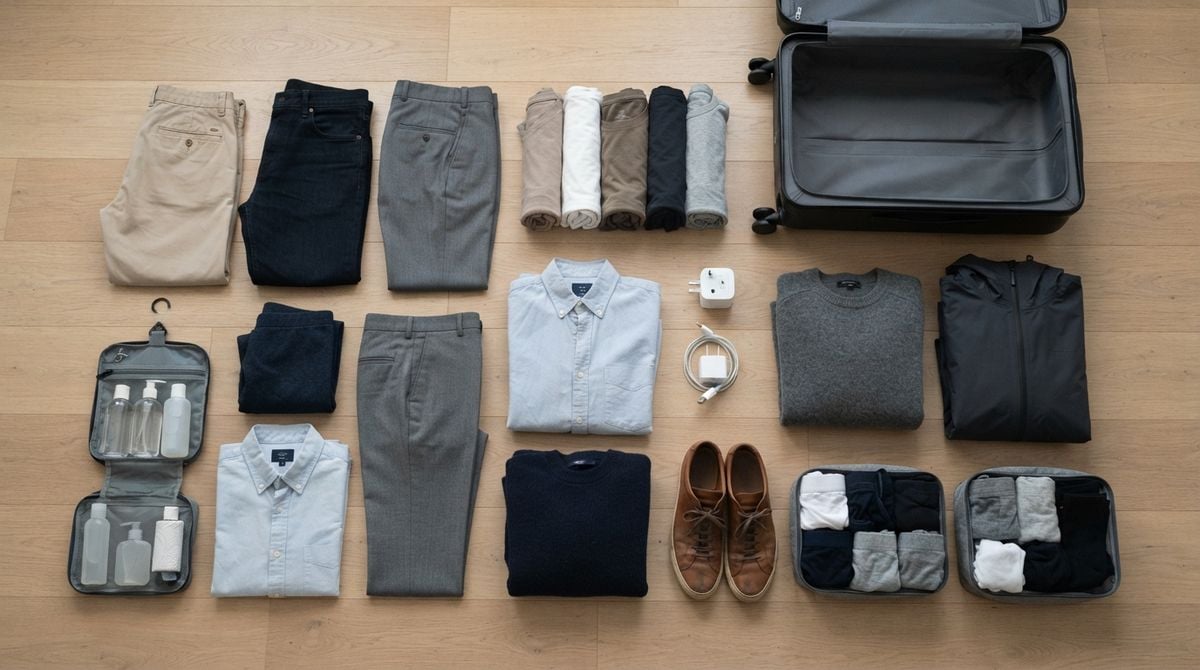
A small bag makes stairs, buses, and crowded platforms far easier to manage. Pack versatile clothes that can be layered for cool evenings and warmer afternoons. Choose shoes that feel comfortable for many hours of walking, since blisters can ruin a budget trip fast.
Keep documents in a single zipped pouch, and store a small first aid kit in an outside pocket. Packing cubes make it simple to find what you need without unpacking everything. Light packing reduces stress and keeps the money focused on experiences.
Keep a small pouch of coins for buses and public toilets. Having the right change speeds up each stop and avoids awkward delays. Store the pouch in an easy pocket so it is ready when needed. Simple preparation saves time on a busy travel day.
Plan a simple packing check for each new stop, including chargers, a map, and a light jacket. Pack a small snack in the day bag so hunger does not drive expensive choices. Keep a note of the nearest free restroom on each route. Small plans make every day feel more relaxed.
Keeping a Flexible Schedule
Leave one open afternoon each week so unexpected plans can happen. Flexible schedules let you take advantage of a local festival or a cheap ferry ride. Booking only the first and last nights in advance gives you room to move between places.
Check the weather the evening before, and adjust outdoor plans to match. Keep a short list of backup indoor options for rainy hours. A relaxed plan often feels richer than a packed one.
Check your bags and plans once a day to see what can be simplified. Remove any item that has not been used since the start. Leave space for small souvenirs from local shops. A light pack keeps the next day’s plan easy.
Write a short summary at the end of each day with the best moment and the main lesson. Keep the notes in your phone or a small notebook. Reading them later brings back the trip’s highlights without any extra spending. A simple journal keeps memories rich on a modest budget.
Small Budgets, Calm Journeys
An off-peak trip needs careful planning but does not require a large budget. Choose a quieter period, stay near transport, and fill the days with free activities. A relaxed pace makes a modest trip feel generous from start to finish.

