
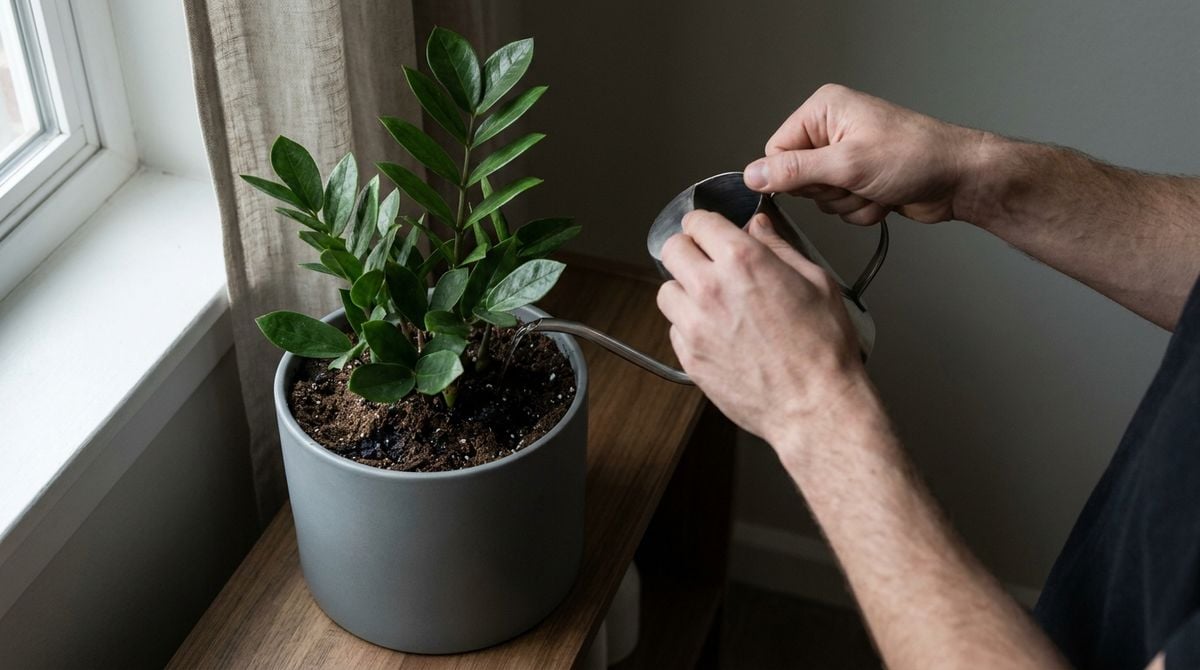
Families who leave home for trips face a particular puzzle in the garden. Plants that thrive with steady attention can wilt within days when nobody is there to water them, and a lawn can look neglected after a single dry spell. Good planning turns the garden into a manageable part of every trip rather than a source of worry at the door. The approach below works through the stages of a typical absence, from the week before departure to the first afternoon back home.
Preparing the Garden Before the Trip Starts
Start preparations a few days before leaving. Pull weeds from beds, deadhead spent flowers and clear any debris that could hold moisture against stems. Move potted plants into shade if the forecast looks hot, since they lose water far faster than plants in open ground. Check the irrigation timer or hose connections and run a short test. Many families also keep a simple list on the fridge so that anyone helping with the garden knows exactly what to do. Readers may also want to visit 3aam.com.
Mulch is one of the most useful tools for a short absence. A thick layer of bark or straw around shrubs and containers slows evaporation, so the soil stays damp longer after a missed watering. Apply it before leaving rather than during the trip, when there will be no time to manage the job.
Watering Plans for Short Absences
Watering is the chore that most often goes wrong. Automatic timers can run too long in cool weather and too briefly in heat, so set them according to the season rather than leaving the default. Drip lines and soaker hoses deliver water slowly and reach roots directly, which makes them more reliable than sprinklers for an unattended bed. Group thirsty plants together so they can be served by one zone, and keep drought-tolerant plants separate. You can also visit al-thai.com for more reading.
Containers need special attention. Their small soil volume dries quickly, so consider a self-watering reservoir or a saucer that holds a reserve of water. Test the setup on a weekend before the longer trip to confirm that the system works as expected.
Asking a Neighbor for Help
A trusted neighbor can be the difference between a healthy garden and a dry one. Ask early, and make the request specific. Show the watering schedule, explain which plants are most sensitive and point out where the spare key or the hose connection is kept. Offer a simple thank-you, and let the helper know they are welcome to pick vegetables or flowers as well. Consider leaving a short note with contact details for a local nursery or a family member who can answer questions while you are away. Clear instructions make it far more likely that the garden receives attention.
If no neighbor is available, arrange a paid visit from a local gardening service for one or two check-ins. Ask for a written list of tasks completed, which gives a clear record of the care provided. For a related read on this site, see Helping Teenagers Research Current Events for Debate Prep.
Picking Plants That Forgive Missed Visits
Plant choice matters as much as any routine. Drought-tolerant perennials, native grasses and succulents can handle a dry week with little harm. Shrubs with established roots need far less water than new transplants, so planting in the cooler months gives them time to settle before a summer trip. Vegetables are more demanding, and a family that travels often may find that a small herb bed or a few hardy greens suits their schedule better than a large plot.
Think also about how plants will look when you return. Dense ground covers hide small gaps, while a bare patch of soil shows every missed task. Choosing plants that recover quickly keeps the garden inviting even after an imperfect absence.
Coming Home to a Tidy Garden
On the first afternoon back, walk the garden before unpacking. Check the soil moisture in beds and containers, look for pests on new growth and remove any leaves that died during the trip. Thank the helper and note what worked well, so the next trip starts from a better plan. Over time, a family builds a reliable seasonal routine that fits their travel habits and their landscape.
Keep a simple record of what happened while you were away. Note which plants wilted, which containers needed extra water and which tasks the helper completed without prompting. Those observations make the next absence easier to plan, because you will know which beds need an extra soak and which can wait a few days. Store the notes with the watering schedule so they are easy to find before the next trip.
Traveling does not have to mean a neglected yard. With a few days of preparation, a clear watering plan and a willing helper, a garden can stay healthy while the family is away and welcome them warmly when they return.

