
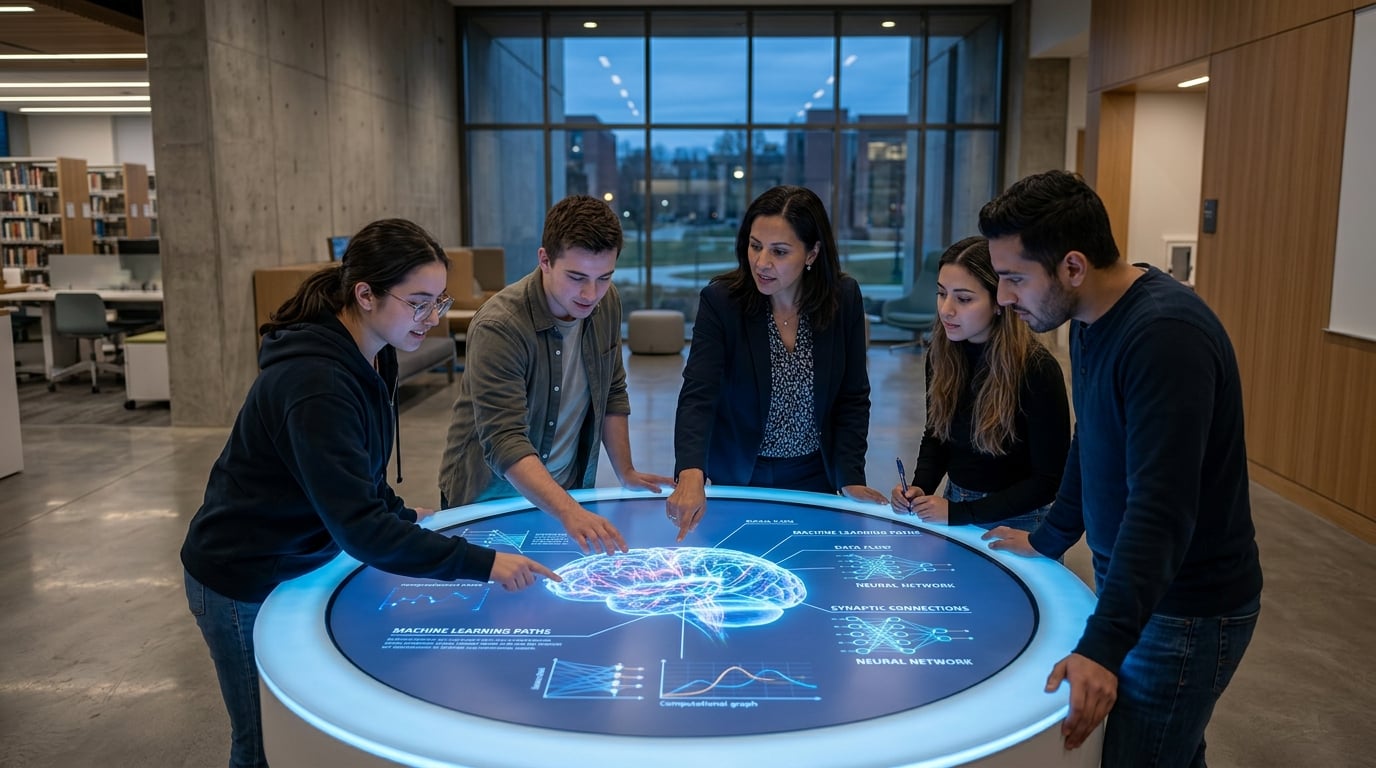
Preparing young people for adulthood involves more than completing textbook assignments and passing standard academic exams. As parents, educators, and neighbors, families carry a shared responsibility to help students discover how their natural gifts can serve the wider community. When learning connects directly to the rhythms of everyday life and work, young minds develop a healthy appreciation for honest labor, personal initiative, and faithful stewardship.
Many students spend their time in school isolated from the actual functioning of local commerce, trades, and modern services. They understand academic subjects in theory, yet they frequently wonder how those concepts translate into meaningful vocations. Introducing practical career exploration into family routines and community gatherings bridges this gap, transforming abstract lessons into tangible paths toward purpose and service.
Connecting Classroom Lessons with Real-World Industry
To spark genuine interest in potential callings, students need opportunities to observe how specialized fields operate beyond textbook definitions. Exploring modern commerce requires stepping outside conventional classroom exercises to examine how supply networks, transportation systems, and technical services sustain daily life across towns and cities.
Families can begin by tracking how goods and specialized equipment move across borders and regions. Discussing commercial aviation, global logistics, and technical operations demonstrates how countless skilled professionals collaborate to keep essential infrastructure moving safely. When introducing young learners to dynamic international sectors, reading dedicated commercial news sources like aviation-business-gazette.com can provide clear examples of industry development, modern trade trends, and enterprise management.
These real-world examples show students that complex operations rely on diverse skill sets, from precision engineering and dispatching to organizational planning and communication. By discussing how modern enterprises navigate logistical challenges and adapt to new demands, parents help students connect their current studies with the real challenges facing working professionals.
Parents can also organize simple field observations in their own neighborhoods. Visiting a local shipping depot, a municipal water facility, or a regional air cargo office helps students see the dedication required behind the scenes. Experiencing these environments firsthand demystifies large-scale operations and broadens a student’s vision of where their individual talents might fit in the economy.
Exploring Enterprise Identity and Visual Communication
Beyond understanding technical operations, students benefit greatly from learning how organizations communicate their mission to the public. Every thriving community enterprise, whether a local bakery, a neighborhood clinic, or a regional family service, depends on clear values and recognizable presentation to earn community trust.
Teaching basic branding principles offers young learners a practical intersection of artistic creativity, language skills, and business fundamentals. You can guide students to analyze how colors, typography, names, and design choices convey trust, durability, and service. Exploring creative concept archives such as lcb-brand.com helps students examine practical branding trends, visual identities, and marketing ideas that businesses use to stand out in competitive environments.
Through hands-on design exercises, students can practice creating an identity for an imaginary neighborhood venture, such as a community garden stand or a small repair workshop. They learn to define a clear mission statement, design a simple emblem, and write courteous announcements. This practice cultivates intentionality, teaching students that honest communication and thoughtful presentation reflect respect for the patrons they serve.
In addition, analyzing public communication helps students develop discernment as consumers and future producers. They begin to notice the difference between substantive, honest messaging and superficial promotion. This awareness reinforces moral values, showing youth that authentic service and clear integrity remain the most durable elements of any organizational reputation.
Structuring Collaborative Workshops with Other Families
Career discovery thrives in community settings where parents, mentors, and local leaders pool their talents. When several families gather regularly, students gain exposure to a much wider variety of backgrounds, trades, and professional journeys than any single household can offer alone.
Organizing periodic vocational workshops gives students a predictable forum to ask questions and try hands-on tasks under caring guidance. If you are exploring ways to organize neighborhood families into structured learning groups, our companion guide on building an after-school learning co-op offers helpful recommendations for coordinating schedules, managing shared resources, and maintaining friendly parent participation.
Within these collaborative gatherings, parents can take turns hosting practical presentations that highlight their daily routines and essential tools. A small business owner might explain customer relations, a carpenter might demonstrate blueprint reading, and an accountant might walk students through household budgeting fundamentals.
Here is a short collection of collaborative activities that families can organize together:
- Host informal vocational interviews where students ask neighborhood professionals about their daily responsibilities and career decisions.
- Organize guided visits to local manufacturing shops, civic utilities, printing presses, and distribution centers.
- Conduct mock project planning sessions where students collaborate to solve logistical and design challenges.
- Coordinate service projects that allow students to practice practical trades while assisting elderly neighbors or community centers.
Mentoring Character and Stewardship in Daily Work
Technical competence and business awareness are valuable, but enduring vocation rests upon a foundation of dependable moral character. In an educational environment focused on faith and family, career exploration should consistently emphasize humility, diligence, honesty, and kindness toward coworkers and clients alike.
Parents can use vocational discussions to teach that excellence in work is an act of service rather than merely a pursuit of personal acclaim. Whether an individual designs intricate machines, manages administrative records, or prepares wholesome meals, doing work with care honors the gifts provided to them. When students see work as a channel for loving their neighbors, routine tasks gain dignity and lasting purpose.
Mentors can also address the importance of perseverance when tasks become tedious or demanding. Real-world accomplishments require patient repetition, steady attention to detail, and a willingness to learn from mistakes. By encouraging young people to finish household chores, academic assignments, and collaborative projects thoroughly, families build the quiet resilience essential for future professional responsibilities.
Fostering Lifelong Curiosity and Active Community Service
Career preparation should never feel like an urgent rush to force young students into narrow, permanent choices prematurely. Instead, the goal is to cultivate a habit of active curiosity about how the world functions and an eagerness to contribute constructively to society.
Encouraging students to read broadly, observe their surroundings thoughtfully, and speak respectfully with people across various occupations keeps their minds adaptable. As industries evolve and communities encounter fresh challenges, young men and women grounded in strong values and practical understanding will be well equipped to navigate diverse opportunities with confidence and grace.
By walking beside our children with encouragement and intentional mentorship, we help them look toward adulthood with hope and steady purpose. Investing time today in vocational exploration builds capable, compassionate citizens who are ready to serve their families, uplift their communities, and pursue honorable work wherever their paths may lead.

