
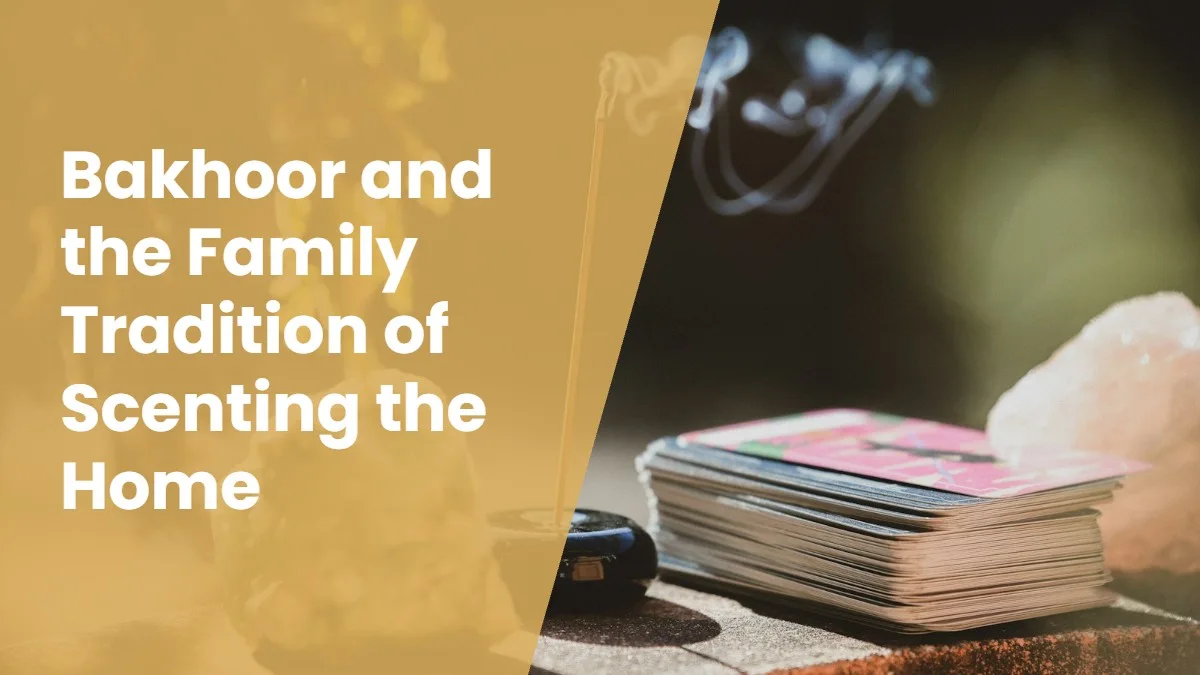
In many households, fragrance is not something worn only on the skin. Burning bakhoor to scent rooms, clothes and gatherings is a custom passed down through generations, and it remains a cherished part of family life for many people today.
|
What to know
|
A Custom Rooted in Hospitality
For many families in the Middle East, South Asia and their communities around the world, scenting the home is part of welcoming guests. Bakhoor is burned before visitors arrive, passed around at gatherings and used on special days such as weddings, religious holidays and family celebrations.
An essay published by the Philippine Daily Inquirer in March 2026 described how homes, temples and ceremonial sites were traditionally perfumed through smoke, allowing fragrance to become part of the atmosphere. That practice continues in many homes today.
For families, the scent of bakhoor often becomes tied to memories of parents, grandparents and shared occasions.
What Bakhoor Is
Bakhoor usually consists of wood chips soaked in fragrant oils and mixed with resins, sugar or honey. Many blends include oud, alongside rose, amber, musk and spices. The mixture is pressed into small pieces that release fragrant smoke when heated.
Traditionally, bakhoor is placed on hot charcoal in a burner called a mabkhara. Electric burners are now popular as a cleaner and safer alternative, particularly in apartments and homes with children.
The scent lingers in fabrics, curtains and clothing, which is why many families pass the burner around so guests can perfume their clothes before leaving.
Different families have their own preferences, and recipes for homemade bakhoor are sometimes passed down along with the burner itself. Some blends are reserved for weddings or religious festivals, while others are used every week.
From Temple Incense to the Family Home
The use of aromatic smoke has ancient roots. Agarwood and other resins were burned in temples and ceremonies long before they appeared in perfume bottles. Over time, those practices moved into homes, where they became part of daily life and family celebrations.
This article on the history behind oud, from temple incense to perfume traces that journey in detail.
Understanding this history helps explain why bakhoor carries emotional and spiritual meaning for many families, beyond its pleasant scent.
Using Bakhoor Safely at Home
Burning bakhoor at home requires some care. Rooms should be well ventilated, burners should be placed on heat-resistant surfaces away from curtains and children, and charcoal should be handled with tongs.
Families with young children, older relatives or anyone with breathing difficulties may prefer to use bakhoor briefly and then open windows, or to rely on electric burners, which produce less smoke.
Small pieces are usually enough. Burning a single piece for a few minutes can scent a room for hours.
It is also wise to keep a small dish of water or sand nearby to extinguish charcoal safely, and never to leave a burner unattended.
Choosing Bakhoor for Your Home
Bakhoor blends vary widely. Some are sweet and floral, others are deep and woody, and some lean heavily on oud for a rich, resinous scent. Trying a few small packs is the best way to discover which suits a household.
Those looking to begin can explore a range of bakhoor blends designed for scenting rooms, clothing and gatherings.
Many families keep different blends for different occasions, such as a lighter one for everyday use and a richer one for celebrations.
Storing bakhoor in an airtight container keeps it from drying out and helps the fragrance last longer between uses.
Passing Traditions Between Generations
For many families, teaching children how to prepare and use bakhoor is part of passing on culture. It is a sensory tradition that connects younger generations with their heritage, especially for families living far from their countries of origin.
This piece on the ancient art of oud explores how the craft of producing oud and incense has been handed down over centuries.
Sharing these stories while preparing the burner turns a simple routine into a moment of family connection.
A Growing Interest Beyond Tradition
Interest in Middle Eastern fragrance is growing well beyond the communities where it originated. Esquire India reported that Spate’s 2026 Fragrance Trends Report named Middle Eastern perfumes the biggest growing trend of the year.
As a result, more households are discovering bakhoor for the first time, often after experiencing it at the home of friends or neighbours. Shared customs like this can become a bridge between cultures.
Some people also use bakhoor alongside personal fragrance, choosing a perfume oil that complements the scent of their home.
Fragrance as Part of Family Life
Bakhoor shows that fragrance can be about more than personal style. It welcomes guests, marks celebrations and connects families with their traditions. The Inquirer’s description of homes perfumed through smoke captures a practice that continues to bring families together.
Used thoughtfully and safely, bakhoor remains a meaningful way to make a house feel like home.

