
A classroom runs on planning, and the supplies that support that planning often matter more than the decorations on the walls. Many teachers begin the school days with a cupboard full of partly used materials and no clear system for finding them. A practical kit focuses on lesson planning, reading time, assessment and storage. Those basics help a teacher spend less time searching and more time working with students.
This article offers general ideas that suit parents who support learning at home as well as teachers in a classroom. Nothing here is educational policy advice, and schools have their own rules about materials, budgets and suppliers. The sections below cover planning tools, reading supplies, record keeping, storage and the gadgets that rarely earn their place. Use them as a starting point and adapt them to the age group and the space you work with every day.
Planning Binders and Lesson Templates
Planning binders remain one of the most useful tools in any classroom, because they hold schemes of work, timetables and notes in one place. Divide each binder by subject, and place a reusable template at the front so that every new lesson follows the same layout. Readers may also want to visit wallstsouth.org. Keep a spare set of blank pages for quick ideas that come up during a busy week. A plan that others can read is worth more than a perfect one that only its author understands.
Whiteboard Markers and Reading Corner Basics
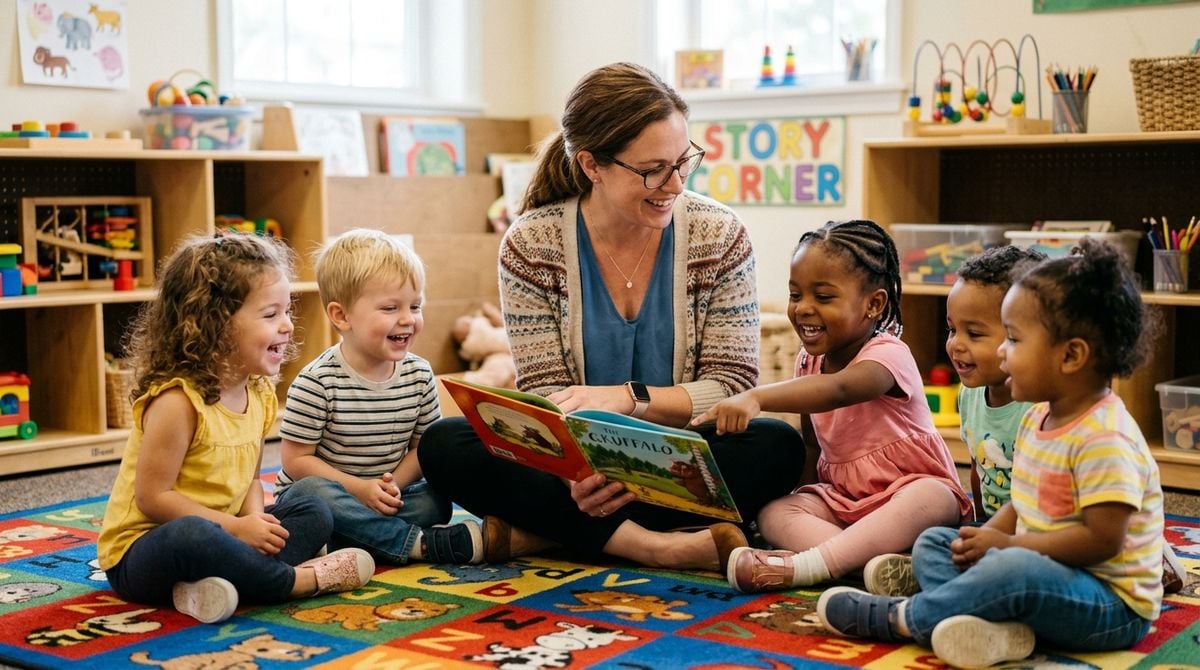
Whiteboard markers, erasers and a small reading corner are among the first purchases a classroom really needs. Choose markers that write clearly and erase without leaving ghosting, and keep a spare set in a labeled tub. A reading corner with a rug, a few cushions and a shelf of books encourages children to read for pleasure rather than only for homework. You can also visit Mysqmclub.com for more reading. Rotate the book selection every few weeks so that the shelves feel fresh without filling the room with clutter. Ask children to choose a favorite title each week, which gives them a sense of ownership over the corner.
Assessment Trackers and Simple Gradebooks
Simple assessment trackers help a teacher see progress without drowning in paperwork. A basic gradebook, either on paper or in a shared spreadsheet, is enough for most classes. Record scores against each learning objective rather than against each task, which keeps the overall picture clear. Teachers can save time by building a short checklist for common skills and marking it during lessons rather than afterward. For a related read on this site, see Paperwork Supplies for Families Facing Legal Forms. A short weekly routine for updating the records keeps them accurate without taking over the evening.
Labeled Storage Bins and Shelf Systems
Storage bins with clear labels turn a messy cupboard into a working resource for everyone who shares the room. Group materials by activity, such as art, science and phonics, and place a photograph of each shelf on the door for quick reference. Clear bins let children see what is inside, which encourages them to tidy up without constant reminders from adults. Keep heavy items low and fragile ones at eye level, so that nothing is damaged during a rushed clean up at the end of the day. Review the shelves at the end of each term and remove anything broken, incomplete or no longer used. Put a note on the calendar for each review so that the job is never skipped during a busy spell. Label the top of each bin with a picture as well as a word, so younger children can tidy up independently.
Expensive Classroom Gadgets to Skip
Interactive floor projectors and large wall screens can look impressive in a catalog, yet they often require setup time and specialist support. Electronic sticker charts with flashing animations tend to distract students more than they motivate them. Branded storage systems with matching labels cost far more than plain bins and perform no better in daily use. Expensive laminators are useful for a handful of key cards, but they waste money when a simple plastic sleeve will do the same job. Ask colleagues what they already own before buying something new. Sharing a borrowing list across the staff room saves money and makes better use of what the school already holds.
Build the Supply Shelf Slowly
Start with planning binders, a basic reading corner, a simple tracker and a set of labeled bins. Add new items only when a real need appears in the classroom, and check the shelves before each new term. A steady, well-chosen shelf helps every lesson run more smoothly and leaves more time for the teaching itself. Asking children which items they use most can guide future purchases in a useful and friendly way. Good supplies are a quiet form of support, and they make the classroom feel calm and ready for each day. Keep a note of what was used most, so the next purchase is a sensible one.

