
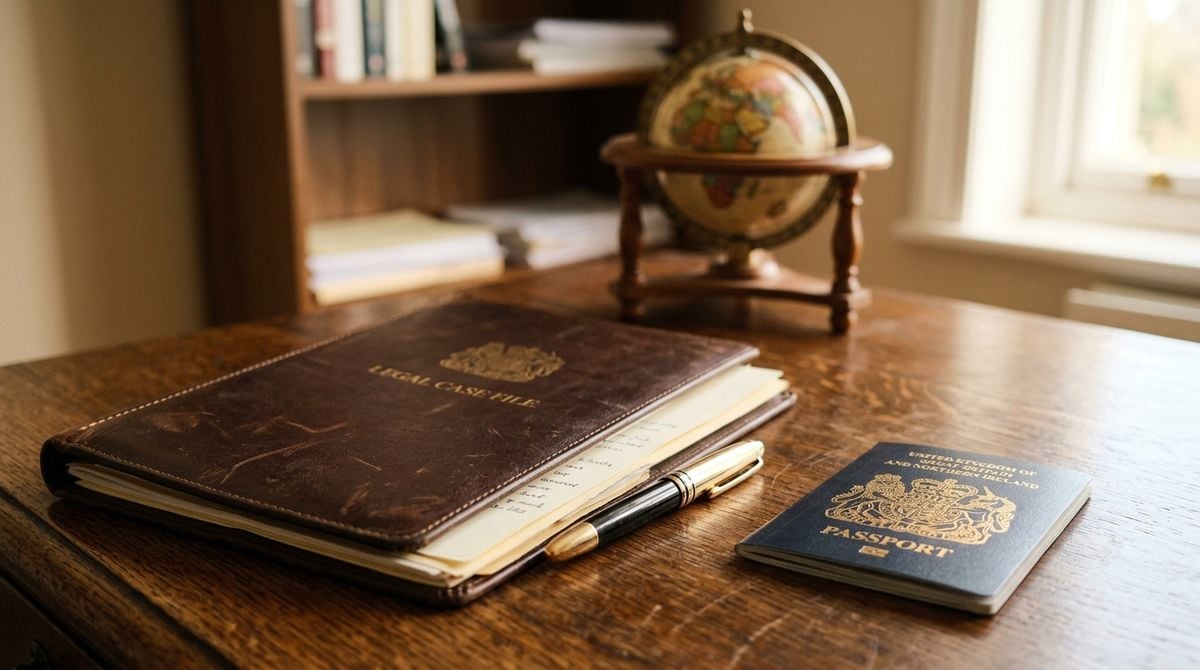
Families meet legal paperwork in many places, from school enrollment forms to rental agreements and consent documents. Keeping those papers in order can save hours of searching when a deadline arrives. The supplies below are general, practical and inexpensive, and they help any household stay organized. They do not replace advice from a qualified professional.
Students and teachers also handle forms, permission slips and records that may need to be retrieved quickly. A good system protects privacy and keeps originals safe. This guide covers binder setup, document folders, backup habits, secure storage and a few items that most families can safely skip. Each section is designed for a busy household rather than a law office.
A Binder System for Home and School
A ring binder with clear sleeves gives a family one place to keep frequently used documents. Use tabs for categories such as school, housing, healthcare and insurance. Keep a blank index page at the front so a new document can be listed the day it arrives. A two-inch binder is usually enough for a single household.
Teachers and students often benefit from a second binder for school correspondence and permission slips. Readers may also want to visit letterboxd. Read those notes with care, because the rules in each area can differ. Keep copies rather than originals whenever the form allows it.
Folders, Sleeves and Labels
Document folders with a built-in flap protect papers from bending and keep related items together. Plastic sleeves work well for certificates and letters that get handled often. Labels should be written in plain language so anyone in the household can find a document quickly. Avoid tape on originals, because it can damage paper over time.
You can also visit zoomblog.org for more reading. Keep a simple log that lists each document, its date and where it is stored. Update the log whenever a form is signed or replaced. A consistent system keeps working even when the family’s routine changes.
Scanning and Backup Habits
A flatbed scanner or a phone app can create clean copies of paper records in a few minutes. Save each file with a clear name that includes the document type and the date. Store the digital copies in two separate places, such as an encrypted drive and a trusted cloud account. Open a file now and then to confirm it still works.
For a related read on this site, see Classroom Supplies for Teaching Digital Money Without Hype. Avoid sending sensitive scans through unsecured email. Delete old copies only when they are no longer needed and no retention rule applies. A reliable backup routine protects the family during a flood, a fire or a lost laptop.
Scanning a document does not finish the job. Compare the copy with the original page by page so that no signature, stamp or attachment is missing. Note the date of the scan on a sticky label in the file, since the date can matter later. A quick comparison now prevents a frustrating search when a form needs to be submitted. Keep the scanning device clean so the copies stay sharp.
Secure Storage at Home
A fireproof and waterproof box is a practical place for originals that cannot be replaced easily. Keep the box in a closet or cabinet that children and visitors do not access. Write a short list of what is inside and tape a copy to the inside lid. Check the seals once a year, since moisture can slip in over time.
Some documents, such as wills and property papers, may need safekeeping arrangements beyond a home box. Discuss those options with a qualified professional rather than guessing. A simple note explaining where important papers live can save a relative a great deal of stress. Clear instructions are a kind gift to the people who will one day need the papers.
Children and teenagers benefit from knowing where the family keeps its important papers. Explain the system in simple terms and show them the index page. Practicing a single retrieval together is often more effective than a long explanation. The habit also builds confidence and responsibility as they grow older. Revisit the lesson each year so it stays fresh.
Supplies Most Families Can Skip
Heavy metal cabinets and oversized filing systems are rarely necessary for a household. Unless you handle a large volume of paperwork, a binder and a few folders will do the job. Expensive label printers can also be replaced by a fine-tip marker and clean labels. Start small and expand only when the existing system becomes crowded.
Avoid products that promise instant compliance or that claim to replace professional advice. Simple, honest supplies serve most families well. Spending time on a routine matters more than spending money on premium folders. Keep the budget for the things that protect your records, such as a sturdy box and reliable backups.
Keep Copies Where You Can Find Them
Store one set of copies with a trusted relative or in a second location. Review the binder every season and remove anything that has expired. A tidy system helps families respond quickly when a form needs attention.

