
Car enthusiasts are known for their attention to detail, from engine specifications to paint codes. That care does not always extend to the way a vehicle is paid for. Some buyers and sellers have heard that digital coins make a transaction faster or more private, and they assume the method is simpler than traditional payment. These beliefs can lead to confusion, disputes and avoidable losses, especially when a deal happens quickly between people who do not know each other well.
This article examines five common beliefs about car transactions that involve digital coins and what holds up under scrutiny. The information is general only. It is not financial guidance, and anyone considering an unusual payment method should understand the rules and risks that apply in their own location before agreeing to anything.
Digital Coins Make Every Sale Faster
Speed is often the reason people give for choosing a digital payment, yet a fast transfer can still stall when the details are wrong. A single mistyped address or a delayed confirmation can hold up a sale for days. Parties who agree on the steps in advance, including who checks the payment and how long it should take, avoid much of that friction. Simple written terms written in plain language often prevent misunderstandings. Readers may also want to visit The Encarta.
Before any agreement, both sides can list each step in order, from price and title transfer to inspection and handover. Writing that list down in simple language helps everyone see the same plan. It also gives a clear point to pause if something changes.
Anonymous Payments Carry No Downside
Some sellers believe that a payment that is hard to trace protects them, while some buyers think it protects their privacy. In practice, unusual payments can leave both sides with fewer protections if something goes wrong. Many car sales rely on documented records such as titles, invoices and receipts, and those records still matter. Keeping clear proof of every step, including the agreed price and the date, gives both parties a reliable reference. You can also visit Malia Manocherian for more reading.
Many people keep a folder for each vehicle, with the inspection notes, service receipts and any written terms. Dating each document and storing copies in two places protects against loss. Organized records can make a future sale smoother and more transparent.
A Screenshot Proves a Payment Arrived
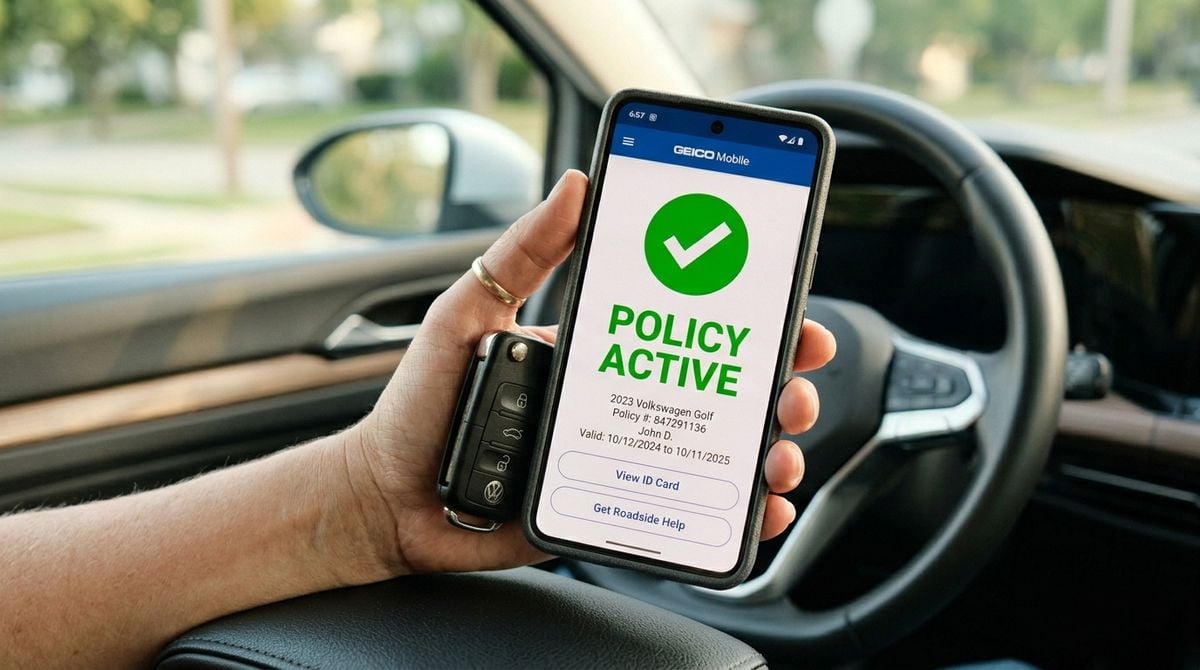
A picture of a confirmation screen can look convincing, but it does not always show that funds have settled. Images can be edited, and a screen may show a pending status rather than a completed transfer. Sellers who want certainty should verify the transaction through an official record and avoid relying on a single image. Buyers should also be cautious about messages that rush them to send coins before the vehicle is inspected. For a related read on this site, see A Fixed Monthly Cap for Fans Who Collect.
Asking the other party to meet in a public, well-lit place for the handover is a sensible habit. Bringing a friend along adds an extra set of eyes. A calm, unhurried pace often reveals problems that a rushed deal would hide.
A Quick Price Drop Means a Good Deal
Discounts that appear suddenly can feel like a gift, especially when the seller mentions a limited window for digital payment. Pressure of this kind is a common warning sign. A fair price is best judged by comparing similar vehicles, checking the condition and reviewing the history report. Taking time to inspect the car in person and to ask for documents is a sensible habit. A sale that cannot wait a few days for normal checks deserves extra thought.
Sellers who are pressed for time can still allow a sensible window for inspection and paperwork. A reputable buyer will usually accept those steps without fuss. Reluctance to wait is often the clearest signal to slow down.
Paperwork Matters Less When Coins Change Hands
Some people assume that a digital payment makes the usual paperwork unnecessary. Ownership transfer, a signed bill of sale and a clear description of the vehicle still matter. These documents show who owns the car and under what terms it changed hands. Local rules about registration and transfer vary, so checking the requirements where the vehicle is registered is a good first step. Keeping copies of everything in one folder makes future questions easier to answer.
Some owners also photograph the odometer, the vehicle identification number plate and the documents at the point of sale. Those images can help if records are questioned later. Keeping them alongside the paper copies gives a complete trail.
Ordinary Records Still Protect Both Sides
Car sales are safer and clearer when the basics remain in place, whatever the payment method. Questioning the myths about speed, anonymity, screenshots and rushed discounts helps buyers and sellers focus on verifiable facts. A written agreement, an inspection, official documents and a careful record of each step are the foundation of a fair sale. Those ordinary habits often matter more than any new technology.

