
A driver notices the steering pulls slightly to one side on the drive home. The car has felt fine for weeks, so the driver assumes the road surface is to blame. A quick glance at the tires later reveals a soft one that has been losing air for some time. The problem was there all along, quietly building up while everyday driving continued as usual.
Tire pressure is one of the simplest parts of car care, yet many drivers ignore it until a warning light appears or a tire looks flat. Small errors in checking or adjusting pressure can affect handling, fuel use and tire life. Most of these mistakes come from habits rather than from a lack of knowledge. The sections below cover the common errors and the simple routines that prevent them.
Checking Pressure Only When a Light Appears
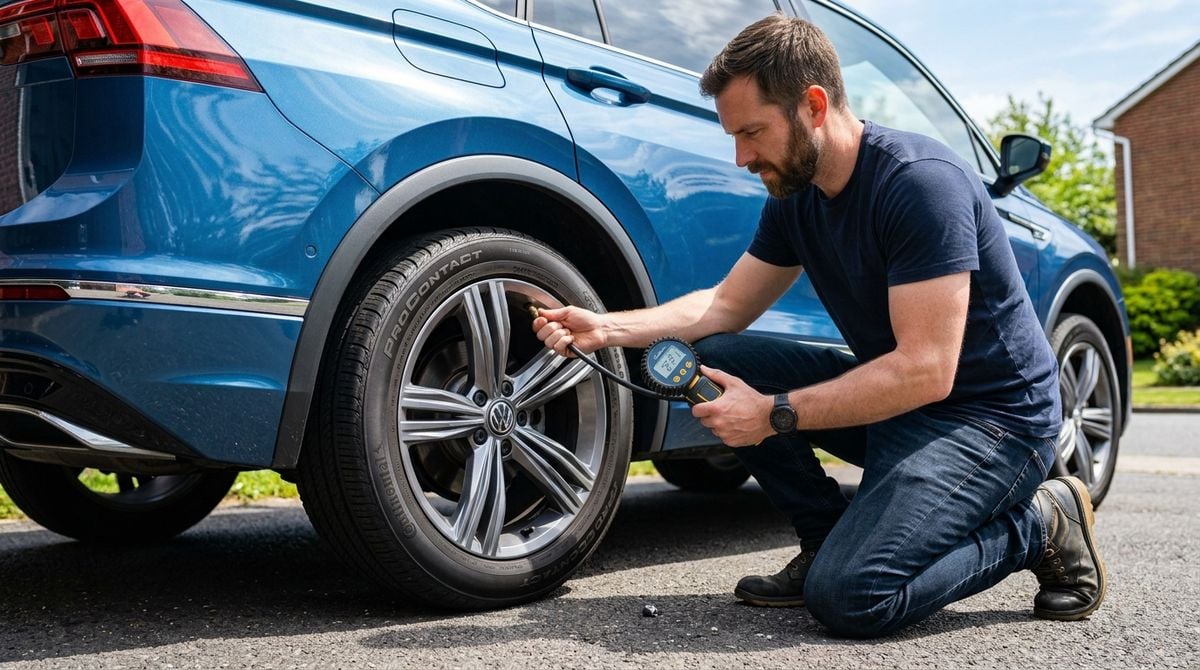
A dashboard warning often comes on only after pressure has dropped well below the right level. Waiting for that signal means the tire may have been underinflated for days or weeks. Build a habit of checking the tires once a month with a reliable gauge. Regular checks catch slow leaks before they become a bigger problem on a highway.
Readers may also want to visit Where Did College. Those guides can cover the basics, but they cannot replace checking the actual tires on your car. Make the check part of a routine, such as filling up the tank or walking to the car in the morning. A habit tied to something you already do is easy to keep.
Using the Number on the Tire Instead of the Car
The number molded into the sidewall shows the maximum pressure the tire can handle, not the right pressure for your car. Inflating to that maximum can make the ride harsh and reduce grip on wet roads. The correct figure is usually printed on a sticker inside the driver’s door or listed in the owner’s manual. Use that number as the target every time you check the tires.
You can also visit Raku Raku School for more reading. Pressure should be checked when the tires are cold, meaning the car has been parked for a while. Driving warms the air inside, which raises the reading, so a check made after a long drive can make a correct tire look overinflated.
Ignoring the Spare and the Valve Caps
For a related read on this site, see Comparing Irrigation Repair Quotes Without Getting Confused. A spare that sits unused for years can lose pressure quietly and surprise you when you need it most. Valve caps also matter, because they keep dirt and moisture out of the valve stem. Replace a missing cap as soon as you notice it.
Look for cracks, bulges and small nails in the tread every time you check the air. A small puncture may be easy to repair, but only if it is found early enough to act. Keep a simple gauge in the glove box so the check is easy to repeat whenever you have a spare minute. Good habits with small parts prevent big inconveniences later.
Overlooking Uneven Wear Patterns
Tires that wear unevenly often reveal a pressure problem before any warning light does. Edges that wear faster than the center can indicate underinflation, while a worn center can point to overinflation. Notice whether the tread looks different across the width of the tire, and compare the left and right sides. Mention any pattern to a qualified technician during the next service visit.
Uneven wear can also come from alignment or suspension issues, so one symptom rarely tells the whole story. A professional inspection can sort out the actual cause and recommend the right fix. Catching the pattern early can extend tire life and improve steering feel on every trip. A careful eye is one of the cheapest tools a driver can use.
Adjusting Pressure After a Long Drive
Some drivers add air at a busy station right after a highway trip and assume the reading is accurate. Because the tires are hot, the number may run high and lead to a false adjustment that leaves the tire too soft later. A helpful habit is to note the reading before driving or to wait a few hours before making any change. Adjust only once the tires have cooled to the ambient temperature.
Keep a small notebook or a phone note with the readings and the dates of each check. Patterns become much easier to see over several months of records. A clear log also helps when you talk with a service technician about any recurring issue. Good notes turn a vague worry into a specific question that is easy to answer.
Simple Checks That Keep Tires Safe
Tire pressure errors are easy to make because the problems develop slowly and quietly. Checking cold tires against the door sticker, inspecting the spare and watching the tread pattern prevent most surprises. A few minutes each month keeps the car steady, efficient and ready for the next trip. Routine attention is far cheaper than an emergency on the roadside.

