
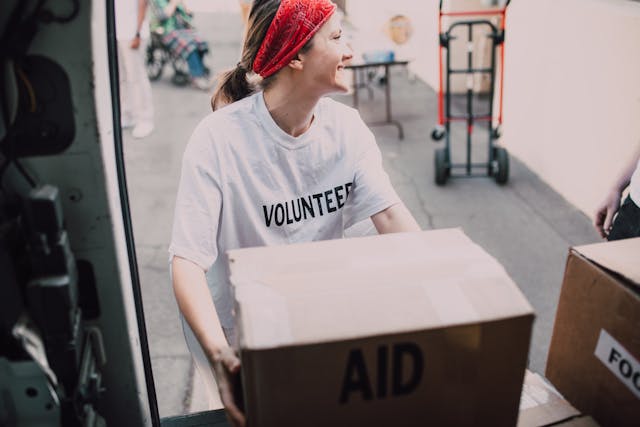
Eileen Richardson’s 1999 trip to the Philippines is one of the most memorable experiences of her humanitarian work. The trip included a group of adults and four young volunteers from her church. It offered moments of both hope and reminders of the realities faced by underprivileged communities.
Eileen lives in Nova Scotia and has long been involved in outreach efforts to help communities facing poverty overseas. During the first day of this specific trip, she returned to an orphanage she had previously visited and immediately noticed signs of progress.
“The yard was swept clean, there were new sliding glass doors, and for the first time, there were mattress covers,” Eileen recalled. “Things were looking up.”
Eileen reunited with a young boy named Emmanuel during the visit. She had developed a close bond with him during an earlier trip and when she returned to the orphanage, she called out for him, and he came to her as quickly as he could get there. He had not forgotten her and remembered her voice.
Eileen spent most of the day holding him, singing to him, and caring for him alongside the other volunteers. The young women in the group helped with the nursery, while the two boys on the trip played outside with the older children. Reflecting on the experience, Eileen said the impact went both ways: “I’m not sure who needed it more.”
In addition to work in the orphanage, the team provided essential healthcare at a medical clinic in a small community on the outskirts of Angeles City. The team had to first take the school van, and then a jeepney down narrow country roads, exemplifying the logistical challenges of reaching vulnerable populations.
The conditions they encountered were difficult. Many families lived under a bridge in makeshift structures built from cement blocks, tin, and scrap materials. Clean water was not readily available, contributing to widespread health issues.
“As soon as we arrived, people began to gather,” said Eileen. “For many of them, this was the only medical attention they would receive.”
Working with a nurse, local staff, and students, the team treated a range of conditions. Many children had painful open sores on their arms and legs from poor hygiene. Conjunctivitis was also common. Despite the pain involved in cleaning and treating these wounds, Eileen was struck by the children’s resilience.
“Not a single child flinched or cried,” she said. “We gave them colourful Band-Aids, partly for comfort, and partly to bring a bit of joy.”
The clinic also revealed public health challenges. Exposure to dirty environments, lack of sanitation, and close contact with stray animals contributed to infections and skin conditions. Eileen recalls a baby who had crawled through an ant nest, leaving welts and bites all over his legs. Other children also had untreated skin problems.
Despite the hardships, the team worked steadily throughout the day, treating as many people as possible before nightfall. Safety concerns prevented them from continuing after dark, but the demand for care was continual throughout the day.
The clinic followed a structure that addressed both physical and emotional needs. Patients would first meet with a prayer team before receiving medical attention.
“Every person who came through was offered prayer for whatever their need might be, before being seen by the nurse,” said Eileen. “We’ve seen many different conditions over the years, and we’ve seen miracles as well.”
The experience also had a profound impact on the volunteers, many of whom were encountering this level of poverty for the first time.
“People coming from North America often have no frame of reference for this kind of environment,” said Eileen. “It can be a shock, but it can also change how they see the world.”
Eileen reflects on these experiences as part of her commitment to humanitarian work connected to Nova Scotia. Trips like the one in 1999, one of many, are central to her perspective, impacting how she serves people and her acknowledgement of global inequality.
Through her efforts, Eileen has helped raise awareness of communities that are often overlooked, while also inspiring others to engage in meaningful outreach. Her story offers a reminder that even small acts of care can have lasting impacts, both for those receiving help and for those who choose to provide it.

