
Families often start a garden with real enthusiasm. A few seed packets, a sunny patch of soil and a plan to watch the seedlings grow become a shared project for the whole household. Then the calendar fills with school events, weekend outings and longer holidays. Pots dry out, beds get weedy, and the project that once felt exciting quietly stops. These stalls are common, and they usually signal that the approach needs to change rather than that the family has lost interest.
This article explores the signs that a garden plan is no longer working when travel and busy schedules enter the picture. It then suggests practical next steps that you can test with children and adults alike. The aim is a garden routine that survives a suitcase, a school term and an unexpected cold week without demanding constant attention.
Why Family Garden Plans Break Down Away From Home
Most garden plans assume that someone will be present every day to water, weed and check for pests. The first trip away exposes that assumption. Plants that needed daily care suddenly go without, and the children who helped with the early work lose the thread of the project. Think about the plan from the point of view of a busy week. Which tasks truly need daily hands, and which could wait a few days without harm? Answering that question often reveals that the plan asks for far more attention than the household can provide.
A helpful first step is to write down every recurring task with its real frequency. Some plants only need a check every other day, while others want water each morning. When you sort the tasks this way, the pattern becomes clearer, and you can see where a small change will make the biggest difference. Readers may also want to visit technolik.com.
Choosing Plants That Travel Well With Your Schedule
Plant choice matters more than most families expect. Delicate leafy greens and thirsty flowers demand steady care, while hardier crops and herbs can handle a short absence with little fuss. If your household travels often, consider shifting the planting list toward resilient options. You can also visit Linkseed for more reading. Use that knowledge to build a plan that fits your calendar rather than fighting it.
Test the change with one bed or a few containers before converting the whole garden. Track how much time each plant needs and how the children respond to the new routine. A short trial with clear notes will show whether the shift has made the project more enjoyable. Keep the pieces that work and replace the ones that repeatedly struggle when the family is away.
Simple Watering and Support Systems
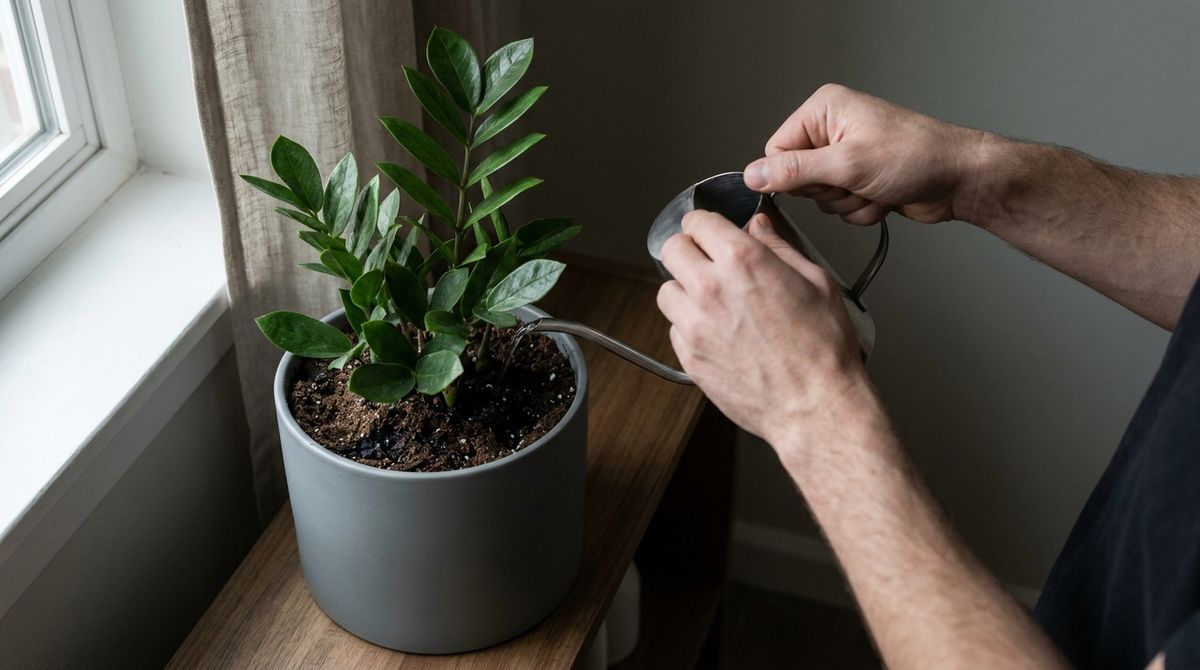
Watering is the task that most often derails a family garden. A simple system can remove much of the pressure. Drip lines on a timer, self-watering containers and a rota shared between two adults can all help. The right choice depends on your space and budget. Before buying anything, check how much water each plant truly needs during a typical week, and compare that figure with what the system can deliver. For a related read on this site, see A Teen Entrepreneur’s Early Days Selling Handmade Goods. A system that matches the need is far more useful than an expensive one that waters too much or too little.
Involve children in the support plan rather than treating them as passive helpers. Give each child a clear job, such as checking soil moisture on a set day, and celebrate when the job is done. Children tend to stay engaged when they can see their contribution on paper.
Turning Travel Into a Learning Opportunity
A garden does not have to be a fragile project that collapses when the family leaves. Travel can become part of the lesson. Before a trip, ask the children to predict what will happen to each plant while everyone is away. When you return, compare the predictions with the results. Those conversations build curiosity about soil, weather and plant needs, and they turn an interruption into a useful experiment.
Keep a simple journal of what grew well during each season. Note which plants handled a long gap, which ones needed extra care and which ones simply did not suit the space. Over time, the journal becomes a personal guide that reflects your own conditions far better than general advice ever could.
Keeping the Garden Going Through a Busy Year
The signs that a garden plan has stalled are usually easy to spot: plants drooping after trips, tasks left undone and enthusiasm fading. The fix is rarely a bigger effort. It is a smaller, more realistic plan that matches the household’s real schedule. Simplify the planting list, set up dependable watering, give everyone a clear role and treat each trip as a chance to learn. A garden that adapts to busy seasons can keep growing long after the first excitement has settled.

