
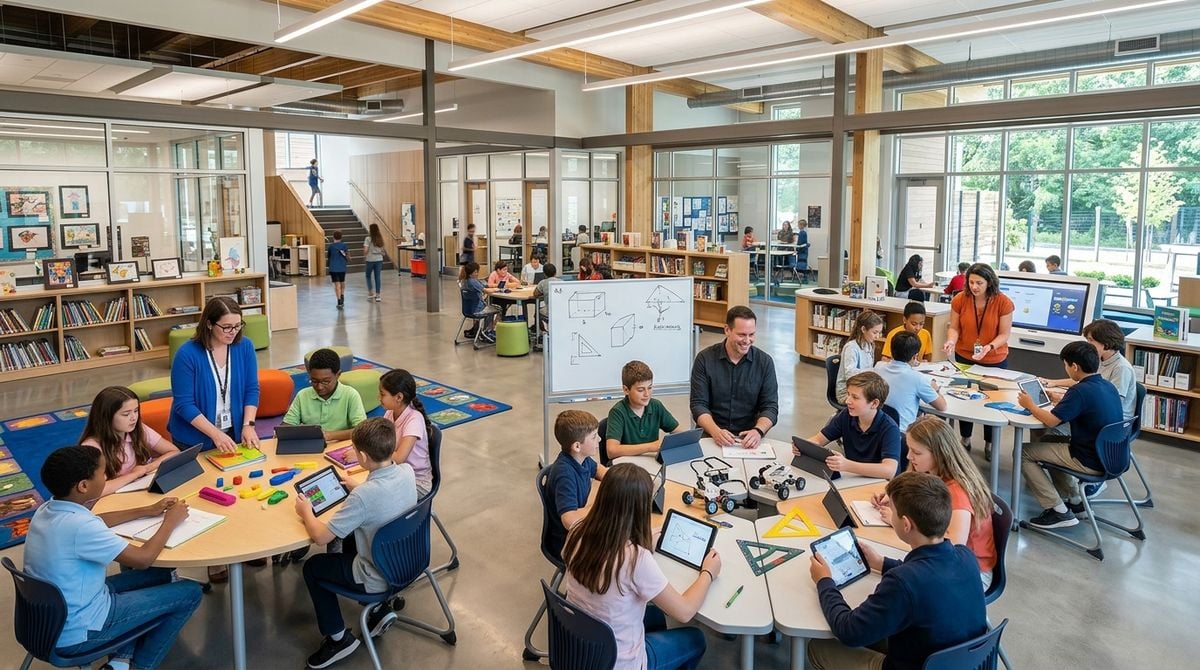
The first weeks of a new school term can bring a mix of excitement and nerves for children and their families. A quiet child may hide worry behind a polite smile, while another may ask questions all evening long. Parents and teachers can help by making the unfamiliar feel more predictable. Small, steady steps often do more good than grand promises or dramatic pep talks.
This article offers general ideas for supporting a nervous child during the early part of a school term. It covers conversation, teamwork with teachers, home routines and noticing progress. The advice is not a substitute for guidance from a school counselor or a qualified professional when concerns run deep or last a long time. Use it as a shared starting point for families and educators who want to work together.
Talking Through the Day Ahead
A simple conversation before school can lower worry. Walk through the morning in order, from breakfast to the classroom door, so the child knows what to expect. Name the people who will be there, such as a favorite teacher or a lunch supervisor. Keep the tone calm and encourage questions without rushing to answer every one of them at once.
Readers may also want to visit Fashion Sky. Listen more than you speak, and accept whatever feelings the child shares without judgment. Acknowledging a feeling often reduces anxiety faster than reassurance alone, because the child feels heard rather than corrected.
Working With Teachers as Partners
Teachers see children in a different setting and often notice details that families miss. A short message early in the term can share helpful background, such as a recent move or a known interest. Ask the teacher how they like to receive updates so communication feels easy for everyone involved. Partnership works best when both sides speak openly and without blame.
You can also visit fashionlifeslylenews.com for more reading. Clear signals reduce misunderstandings during busy days. Share what helps at home as well, such as a comfort item or a particular way of greeting the child at the start of the day.
Building Routines at Home
Predictable evenings help children feel secure. Set consistent times for dinner, reading, bath and bed, and keep the school bag packed the night before. A visible checklist on the fridge can reduce morning arguments. Routines do not need to be rigid, but a steady rhythm gives young people something solid to lean on when the school day feels long.
For a related read on this site, see Reading Your First School Policy Without Panicking. Protect some quiet time each day, especially after school, so the child can unwind. Keep screens and heavy activity away from bedtime whenever possible, since a calmer evening usually leads to easier sleep.
Noticing Small Signs of Progress
Progress often shows up in small moments, such as a child who waves at a classmate or eats lunch without hesitation. Celebrate those signs with warmth rather than with big rewards. Keep a short note of good days so you can look back when a harder morning arrives. Gentle encouragement builds confidence faster than pressure does.
Notice which activities help your child feel brave, such as drawing a map of the building or meeting a new friend at the gate. Build those moments into the week and talk about them afterwards. Children often respond well when they know that worries can be shared without being judged. Keep expectations realistic, and recognize that some mornings will feel harder than others. Consistency, warmth and patience are usually more powerful than any single strategy.
Patience as a Steady Companion
Settling into a new term takes time, and every child moves at a different pace. Stay patient, keep communication open and celebrate each step forward. If worries persist or grow, reach out to the school counselor or a qualified professional for guidance. With support from home and school working together, most children gradually find their feet and discover that the new term holds good things.
Families who stay connected with the school tend to notice changes early and respond with less panic. Attend open evenings when you can, read newsletters and keep a shared note with the teacher about anything that might affect learning. Celebrate effort as well as achievement, because effort is what children can control. Over the term, the new environment becomes familiar, friendships form and the school day begins to feel like a place where your child belongs.
Teachers and families both benefit from a shared calendar that lists school events, trips and deadlines. Keep the calendar visible at home and refer to it during the evening routine. When children know what the coming week holds, they tend to approach each day with more confidence. Small predictable markers like these help a nervous child feel that the school term is a steady path rather than a series of surprises. Keep the conversation going with gentle questions at dinner, such as which moment of the day felt easiest.

