
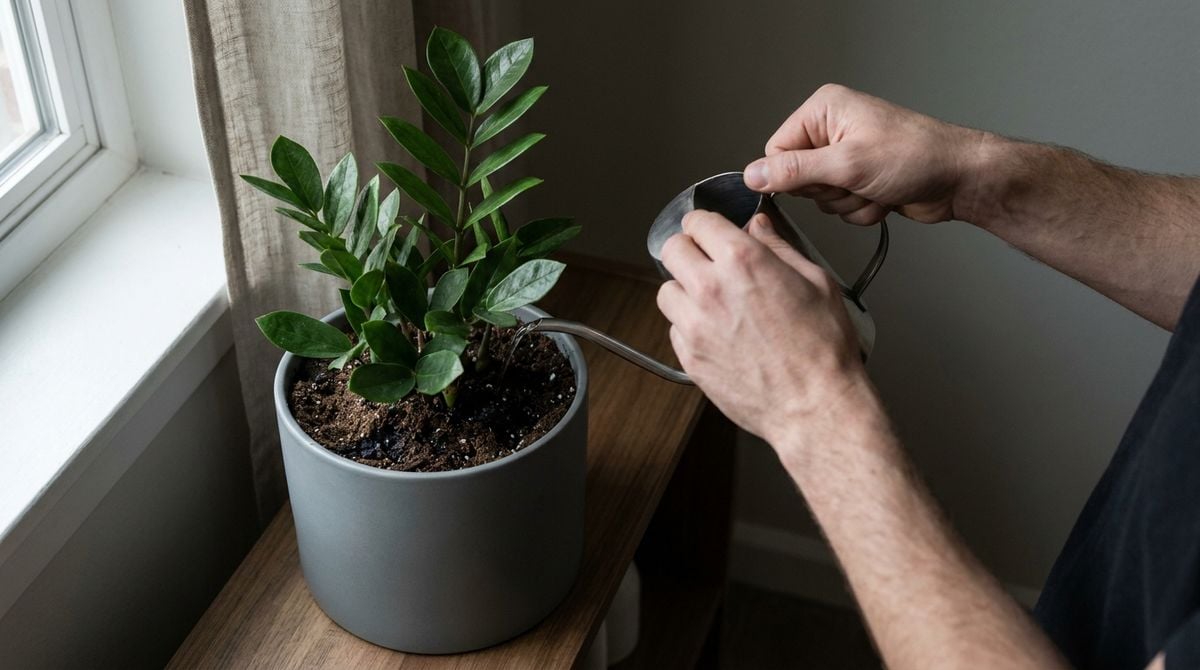
A garden can look wonderful when you leave for a trip and quietly suffer while you are gone. Families planning time away often ask whether they should arrange a helper or rely on systems that water and feed everything automatically. Neither choice is always right, because the plants, the weather and your schedule all matter. The steps below help you decide how much of the care you can handle yourself and where outside help makes sense. A little planning goes a long way toward a healthy return.
Mapping Which Plants Need Daily Care
Begin by walking through the garden and sorting plants into groups. Potted herbs, young seedlings and vegetables in hot sun usually need the most attention. Established shrubs and perennials often tolerate a gap in watering better than anyone expects. Readers may also want to visit Theleadbelly.com.
Write the groups on a simple chart so anyone helping you can see what matters most. Mark the plants that cannot wait more than a day or two. That list tells you where to focus your preparation time. Keeping the chart on the refrigerator makes it easy for a visitor to find it. A photo of the watering area taken on your phone can also clarify where everything belongs.
Weighing Self-Watering Systems Against Hired Help
Self-watering containers and drip lines can reduce the workload while you are away. They work best when they are installed well in advance, so you can test the timer and check for leaks. Practice a short run before you leave, since a clogged emitter can be much harder to fix from a distance.
A neighbor or paid helper offers flexibility that a system cannot match. They can pull weeds, deadhead flowers and notice pests early. Some families combine both approaches, using a system for daily watering and a helper for weekly checks. You can also visit The Candid RD for more reading.
Briefing a Neighbor or Sitter
A helper needs clear instructions to succeed. Write down which plants to water, how much water to use, and what signs of trouble look like. Include the location of hoses, timers and shutoff valves, along with a phone number where you can be reached. Vague instructions often lead to either overwatering or neglect.
Walk the helper through the garden before you leave if possible. Point out the plants that wilt quickly and the ones that tolerate neglect. A short demonstration often prevents more mistakes than a long written list, and it gives the helper a chance to ask questions. For a related read on this site, see Adjusting School Routines for Heat, Storms and Short.
Preparing Containers and Soil Before Departure
Water deeply a day or two before you leave so the root zone holds moisture longer. Move potted plants into partial shade, which reduces heat stress and slows evaporation. Mulch bare soil to keep the surface cool and reduce how quickly it dries out. These steps take less time than most people expect. A quick walk around the garden the evening before departure catches anything overlooked, such as a loose hose or a bird feeder that needs refilling.
Group containers together so they shelter one another and are easier to water. Remove any dead leaves or fruit that could attract pests. Small preparations like these often save more plants than any device, and they make the helper’s job simpler.
Choosing Plants That Tolerate Gaps
Some plants handle irregular care with ease. Succulents, lavender and many native perennials store water well and cope with short dry periods. Planting these in the parts of the garden that receive the least attention reduces the risk of losing a favorite. Hardy choices also suit households where gardening is a new hobby. Native grasses and groundcovers often need less attention than decorative beds that depend on frequent deadheading.
If you are planning a garden for busy seasons, consider replacing thirsty annuals with sturdier options. Hardy plants forgive small mistakes while everyone builds experience. Over time, the garden becomes a reliable place that does not demand constant attention from anyone in the family.
Checking Results After Your Return
Inspect the garden within a day of coming home. Look for wilting leaves, soil that has crusted over, and pests that may have moved in while no one was watching. Water thoroughly if the soil is dry, and trim damaged growth so the plant can recover without stress. Keep notes on which plants bounced back quickly, since that record will guide future choices.
Talk with your helper about what worked and what did not. Note the gaps in your system and decide what to change before the next trip. The routine becomes easier each time, and the garden grows more resilient with every adjustment.
A thriving garden after a trip is rarely the result of one perfect plan. It usually comes from a balance between automation, a trusted helper and plants suited to the conditions you can actually provide. Start with the basics, then adjust as your family learns what your garden needs.

