
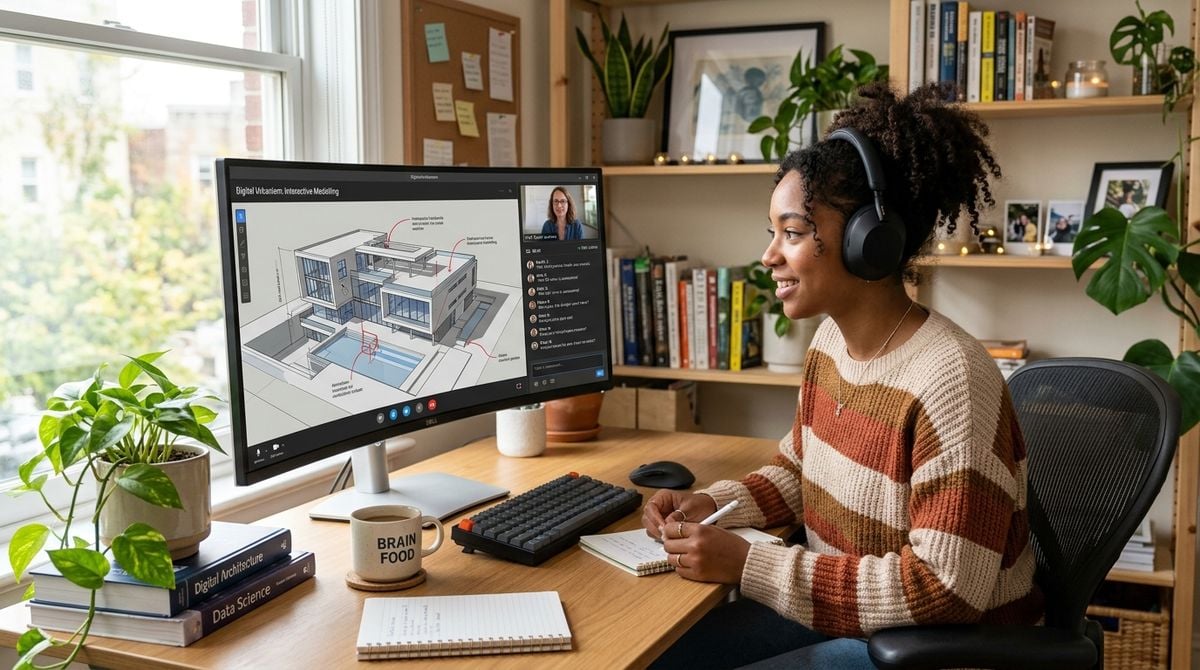
A new study routine can look promising in its first week and still produce little change by the end of the term. Families and teachers often feel progress before they can prove it, which makes it hard to decide what to keep. A few simple measures help separate genuine improvement from a lucky week. Looking at trends over time gives a calmer and more accurate picture.
Choose signs that match the learning goal. Quiz scores, the number of tasks finished on time, the confidence a student shows when explaining an idea and the amount of help needed each evening all matter. Record them the same way every week. Consistent notes make it much easier to see whether a change in habits is leading to real progress.
Reading Quiz Scores Over Time
Quiz scores are a useful starting point, but a single result can mislead. A bad morning or an unfamiliar topic can drag a score down without showing any lasting change. Plot the results in order and look for the overall direction across several weeks. Readers may also want to visit shaftdeals.com.
Compare quizzes that cover the same kind of material. A geometry quiz and a reading quiz measure different things, so mixing them confuses the picture. If the scores in one subject rise steadily while another stays flat, the routine may be working well for one area and needing a different approach for the other.
Tasks Finished and Study Time
Completed tasks show whether the routine is practical for a busy week. Count the assignments finished on time each week and note any that slipped. If the number falls during a particular activity, the schedule may be too heavy or the timing may clash with other commitments. Short check-ins can reveal the cause quickly.
You can also visit Pinterst for more reading. Track the minutes spent on each session as well. A steady ten or fifteen minutes each evening often outperforms one exhausting block. Adjust the length when the notes show that attention drops sharply after a certain point.
Confidence When Explaining Ideas
Confidence often improves before scores do. Ask the student to explain a recent idea in their own words, and note how clearly they manage it. For a related read on this site, see Measuring Progress in a Classroom Unit on Digital.
Look for less hesitation, fewer apologies and more questions that show real thinking. Those changes often arrive weeks before a higher score appears. Write a brief note after each conversation so the signs are visible when the next review comes around.
Deciding When to Change the Routine
Change the routine when the notes point to a clear problem. If quiz scores stall and task completion falls, the study method may need a rethink. If scores improve but stress rises, the routine may be too demanding. Make one adjustment at a time, such as a shorter session or a different order of subjects, and watch the effect.
Involve the student in the review. Ask what felt helpful, what felt tiresome and what they would like to try next. A learner who helps design the plan is more likely to follow it. Keep the tone encouraging, because steady effort matters more than a perfect week. Share the trends with the teacher so school and home work in the same direction.
Share the trends with the student in a calm, encouraging way. Showing a simple graph of quiz results can help a learner see their own progress, which often builds motivation more effectively than praise alone. Keep the conversation focused on effort and strategy rather than on comparison with classmates. A learner who understands the pattern is better placed to take charge of the next small step.
Allow room for setbacks. A difficult week may reflect illness, a heavy assignment or a change in routine rather than a failure of the plan. Note the context, avoid rushing to change everything and return to the same measures once life settles. Consistency across the term matters more than any single dip, and a calm review after a rough patch often reveals that the routine was sound all along.
Steady Progress at Home
Study routines prove their value through patient observation. Track quiz trends, finished tasks, study sessions and confidence each week, and adjust gently when the signs change. Progress at home usually arrives in small steps that become clear only when the notes are read together.

