
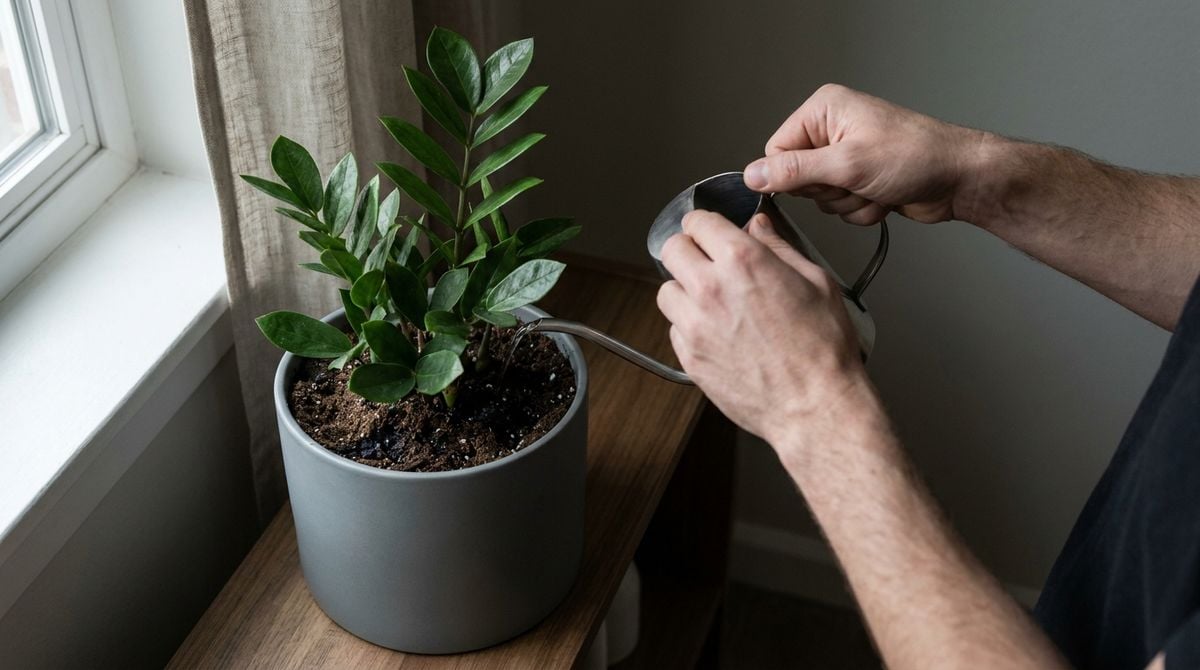
Families who leave home for a few days often treat houseplants as an afterthought. The plants sit in the same corner for months, so their daily needs can seem simple to an outsider. A newcomer usually notices the pot size and the light first, yet the timing of water and the condition of the soil matter just as much. Small plants can dry out faster than a grown adult expects. Heat, sunlight through glass and the season all change how quickly a pot loses moisture.
The trip itself adds its own complications, such as an unfamiliar house sitter, a closed window or a timer that stops working halfway through the week. Those factors are easy to miss while packing the car. This article covers what people notice first about plant care away from home and the details they tend to overlook until a leaf turns brown.
Matching Plants to the Light They Get
Most visitors look at a plant and decide that it needs water, but the light in the room changes the answer. A plant near a sunny window uses water far faster than one placed in a dim hallway. Students who keep a plant in a bedroom may be surprised by how little light reaches the shelf. Readers may also want to visit sindoweekly-magz.com.
Move the thirstiest plants closer to the window or the bathroom, where humidity tends to be higher. Group plants with similar needs together so that one routine covers the whole shelf. A simple sketch of the house makes the handoff to a helper far easier to explain. Plants near a heating vent or a radiator often dry out faster than their neighbors.
Soil Checks That Beat Guesswork
A surface that looks dry can hide moist soil beneath, and the reverse is also true. Many people water on a fixed schedule without touching the soil at all. Newcomers often miss that pots drain differently when they sit in a saucer that holds standing water. A simple finger test or a wooden skewer pushed into the pot gives a more honest answer than any calendar.
Show the helper how deep to test, such as about an inch below the surface. Ask them to empty any saucer that holds standing water a few minutes after watering. Those two habits prevent most of the root trouble that appears after a trip. You can also visit news4public.com for more reading.
Self Watering Tools and Their Limits
Some families reach for self watering pots, wicks or drip spikes when a trip runs longer than usual. Each option has trade offs, since spikes can overwater a small pot and wicks may stop working when the reservoir runs dry. For a related read on this site, see Teaching Teens Safe Habits for Small Side Jobs. A test run one weekend before the trip shows whether a method suits the plant.
Keep the setup simple enough that a visitor can understand it in a minute. Label each device with the plant name so that nobody refills the wrong pot by mistake.
Notes for the Helper Who Visits
A helper who has never cared for the plants needs more than a verbal instruction. They may not know which pot belongs to which plant or which leaves signal stress. A short written note stuck to the fridge answers most questions before they arise. Keep the wording friendly and specific so that nothing has to be guessed. A clear note also helps a guest feel welcome in a house they do not know well.
List the watering day, the amount of water, the light area and what to do if a plant looks limp. Add a phone number for the household contact in case anything unexpected happens during the trip. Include a photo of each plant so the helper can match names to pots without guessing.
Recovering Plants After the Return
Plants often look worse a day or two after a family returns than they did on the day they left. Stress from low water or a sudden change in light can make leaves drop. Outsiders tend to panic and water heavily, which can make root problems worse. A calm recovery routine is usually better than a flood of water. Patience is usually the best tool in the first few days after a long absence.
Move the plant back to its usual spot slowly and water only when the soil is dry. Trim any clearly dead leaves so the plant can put its energy into new growth. Give the plant a day or two of rest before any fertilizer goes near the roots.
Planning Ahead for Green Companions
A good watering plan is less about perfect timing and more about clear grouping, honest soil checks and a note the helper can follow. Families that set those basics in place tend to return to healthy plants. The effort is small compared with the pleasure of coming home to a green room. A tidy note on the table is often the most useful thing a family leaves behind.

