
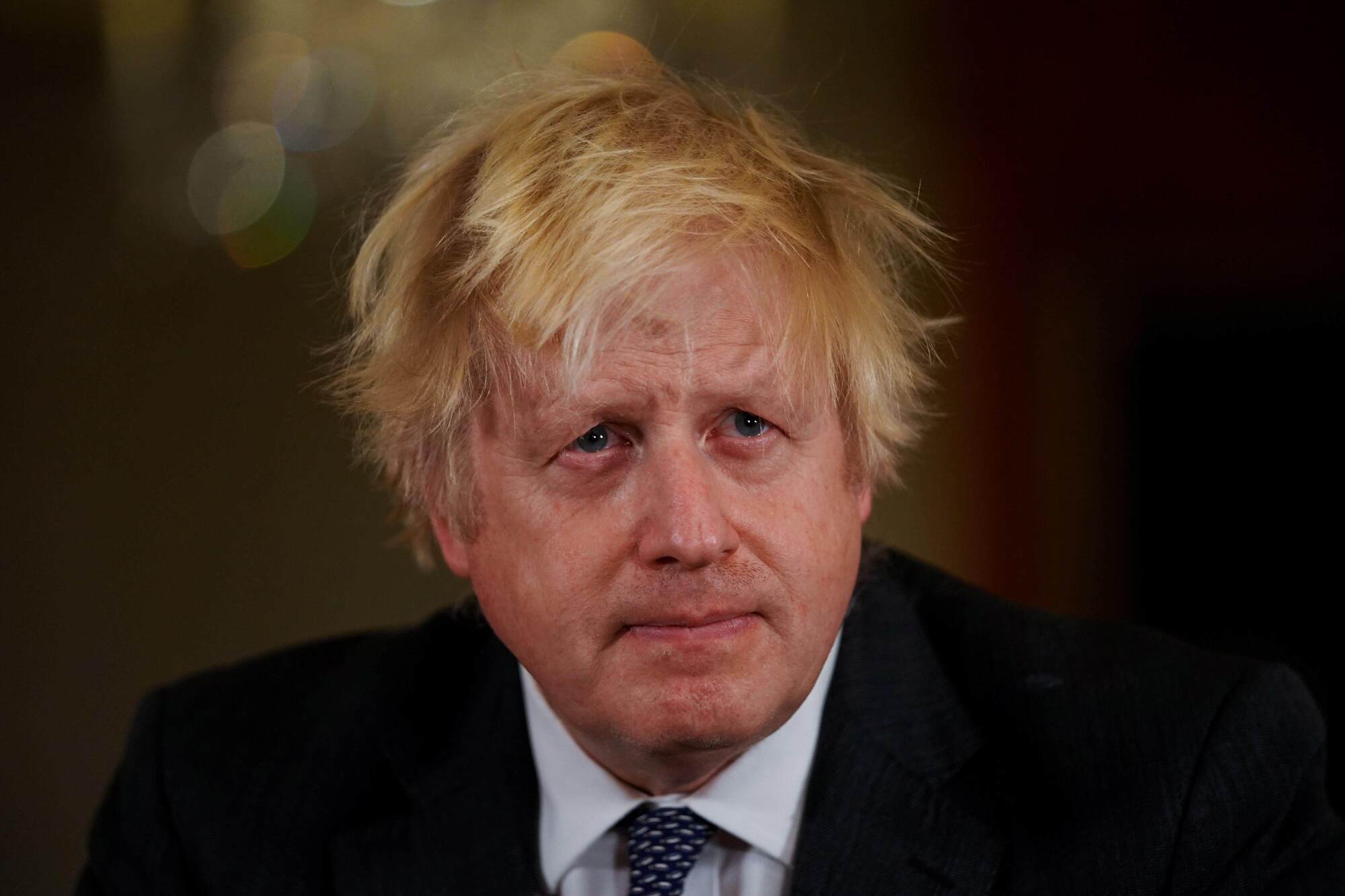
Allies of Boris Johnson have accused a committee of MPs investigating whether he misled Parliament of conducting a “vengeful and vindictive” “witch hunt”.
Although the prime minister is set to leave No 10 in September, the Commons Privileges Committee is going ahead with its inquiry into whether Boris Johnson mislead MPs with his Commons statements on partygate earlier in the year..
The Spring saw the House of Commons vote on a motion from the Labour leader, Commons Privileges Committee. This committee was to investigate the claims.
The forthcoming ‘partygate’ related investigation follows that already held by the Met Police and the leading civil servant, Sue Gray.
Featured

BASC responds the England Deer Strategy
Featured
Northern Ireland Police Service declares Firearms and Explosives Branch “critical incident”
One of Johnson’s most loyal supporters, Nadine Dorries, has tweeted: “If this witch hunt continues, it will be the most egregious abuse of power witnessed in Westminster.
“It will cast serious doubt not only on the reputation of individual MPs sitting on the committee but on the processes of Parliament and democracy itself.”
A fellow Conservative MP, Sir Bill Cash MP, last week also called for privileges committee investigation to be scrapped, branding the inquiry as “unnecessary”. Mr Cash is asking for a Commons motion to scrap the inquiry.
However, her views are not shared equally by all Conservative MPs. Senior Conservative MP Sir Bernard Jenkin who sits on the committee told BBC Radio 4’s World At One programme: “If people wish to criticise it please write to the committee – don’t just conduct a sort of terrorist campaign to try and discredit the committee, because the privileges committee is how we self-regulate our affairs” .
Dorries’s claims have attracted further criticism with the SNP’s Westminster leader, Ian Blackford, writing, : “No, this is Parliament and parliamentarians doing their job and seeking to get to the truth.
“Parliament has mandated the privileges committee to conduct this investigation, it must reach a conclusion and if judgments and sanctions are applied that would be right and proper.”
Evidence demanded by the committee is said include Johnson’s diaries covering the 12 days on which parties were said to have been held in Westminster, as well as text messages, emails, photos, cctv footage, and a list of deleted documents.
The Telegraph reported earlier this week that 3 Downing Street staff were willing to testify before MPs to support claims that Boris Johnson PM misled parliament about what he knew about the Partygate scandal.
If Johnson is found guilty of misleading parliament, he may face a recall petition if his suspension is longer than 10 sitting day. This provision allows for recall petitions to be filed against Mr Johnson if he is found guilty of misleading parliament.
A suspension of more that 10 days under the Recall Act would allow for a by election to be held in Johnson’s Uxbridge constituent if it was signed by more 10% of his constituents. In such a situation, Johnson would be forced to defend his marginal constituency in the polls or step down from parliament.
The impending privileges inquiry will be a distraction for the new Conservtive leader. Likely to dominate media attention through the autumn, it will inhibit the party’s ability in the near term to move beyond the ‘partygate’ saga.
At the Conservative party hustings in Darlington, the current favourite to replace Mr. Johnson, Liz Truss said, said that she would vote to end the inquiry by MPs on the standards committee, albeit accepted that at the moment, ‘there isn’t a vote and it’s going ahead’.

